
The Birth of an Industry: Newspapers and Pulps
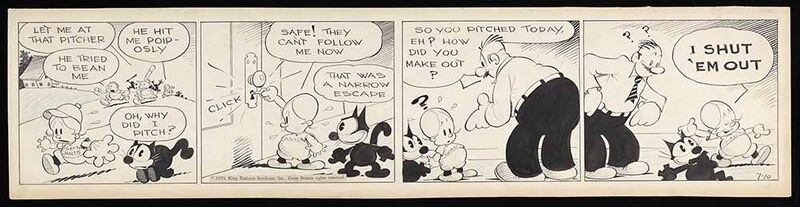
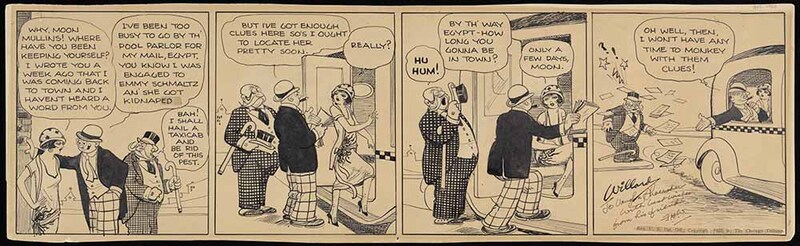
Daily and Sunday comic strips sold innumerable newspapers across the country, copies of which were read by multiple people in a single household. Advertisers noticed their appeal; consumer goods companies published comic strip compilations as giveaways to their customers. The New York advertising agency of Johnstone and Cushing (founded 1936) specialized in developing comic strip advertisements to run in magazines.
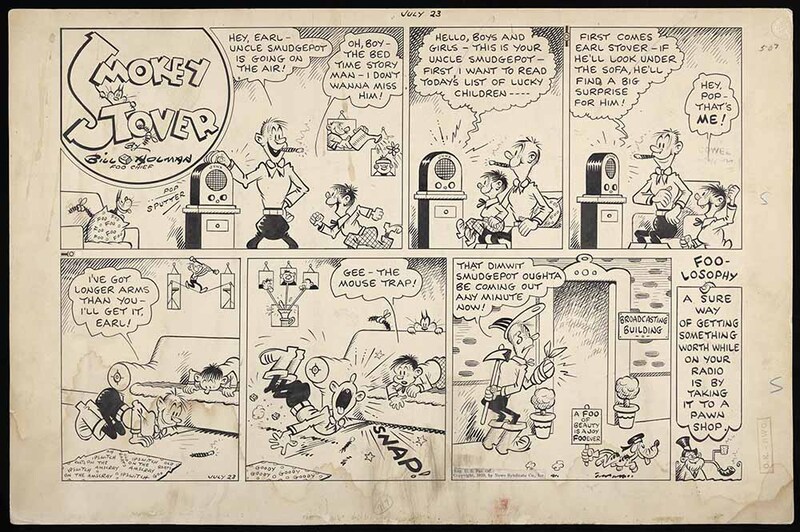
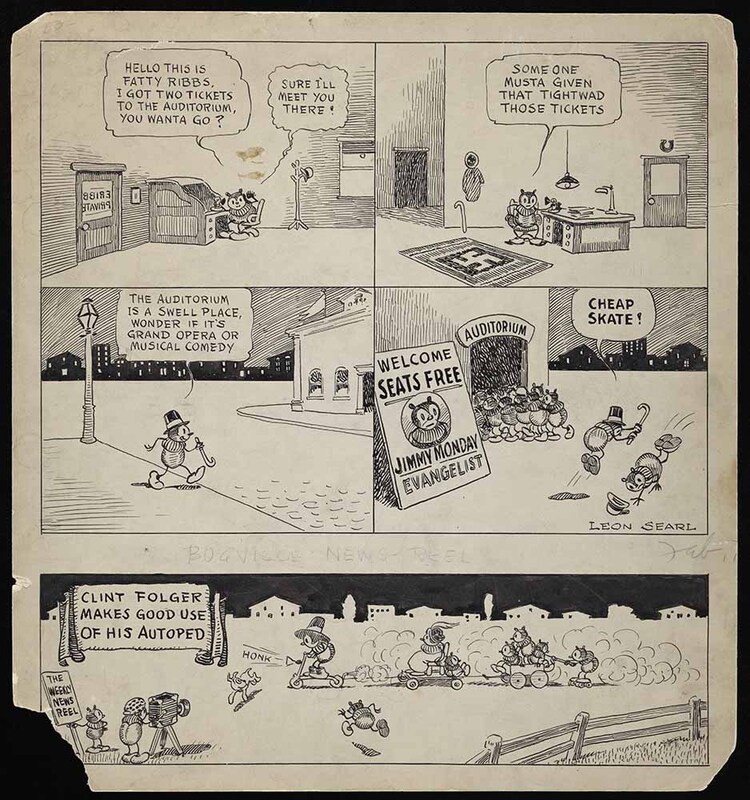
The printers who produced the Sunday comic supplements for newspaper publishers took note of public demand and began to wonder: Couldn’t they publish comics themselves? The Eastern Color Printing Company of Waterbury, Connecticut issued Famous Funnies and Funnies on Parade, the first publications with the size, pulp stock, and page count that we would recognize as the comic book in 1933.
Pulp magazines, or pulps, were known for sensational subjet matter often depicted on the covers. The pulps made an appearance at the end of the 19th century and were eventually ecliped by comic books. The pulps were popular for many decades because of their captivating covers and enthralling stories and were overall a cheap source of entertainment as successors of the dime novels and penny dreadfuls. Two-fisted heroes like Doc Savage headlined pulp magazines aimed at working class men, many of them immigrants. Similar characters, like Dick Tracy, also populated newspaper comic strips. They fought plentiful villains whose moral deformities sometimes assumed physical form.
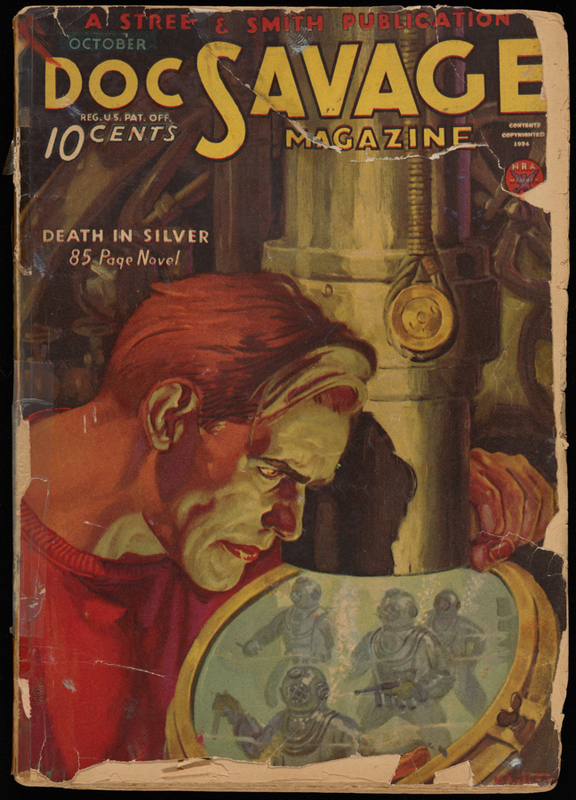
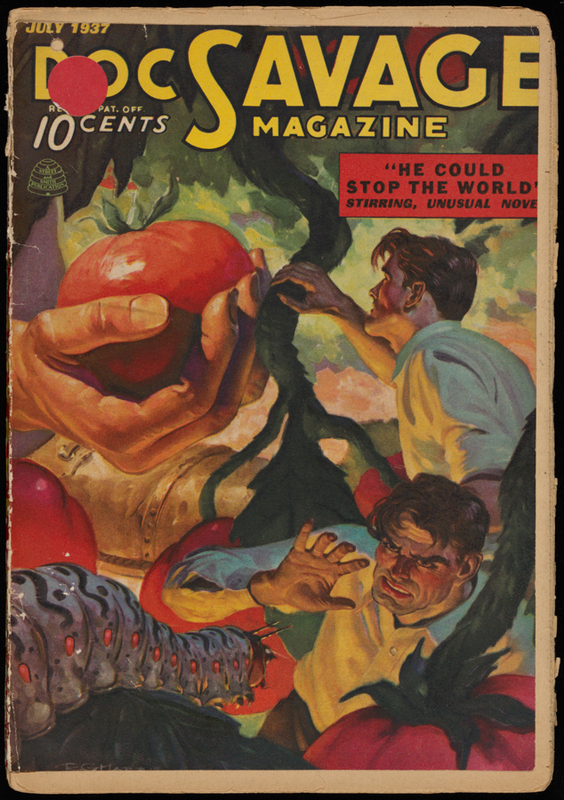
By the 1940s, however, the pulps would start to decline as comic books became the new favored medium of the masses. Super hero comics were even modeled after those heroes depicted on the covers and within the pages of the pulps. Eventually publishers would cease production of the pulps in 1955, largely due to comic popularity and the advancements in printing technology, which allowed full-color slicks to be produced at an affordable cost.