It's a Jungle Out There: Fistfights, Gunplay, and Dangerous Femmes
Pulp sensibilities are associated with melodramatic plot lines and crude even harsh moral judgments. What later came to be known as film noir has roots extending into 1930s fiction, comics, and cinema. The period featured the rise of the detective as protagonist as well as the femme fatale.
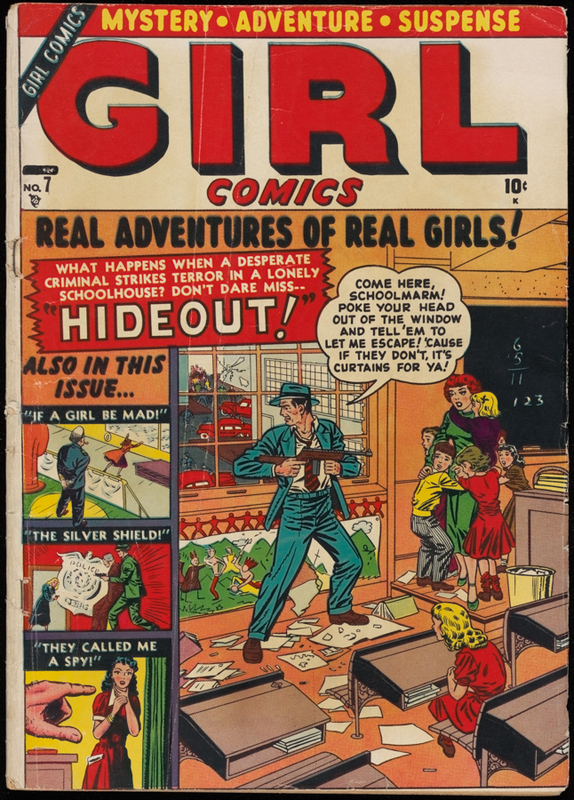
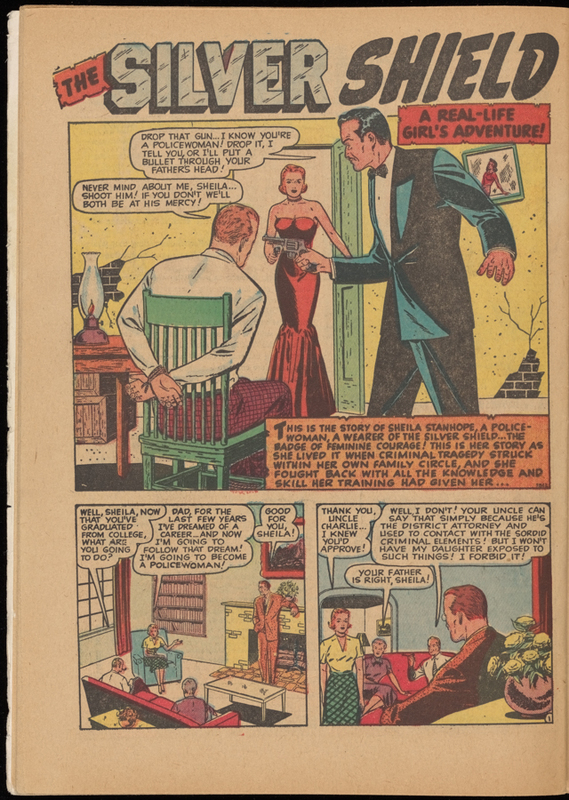
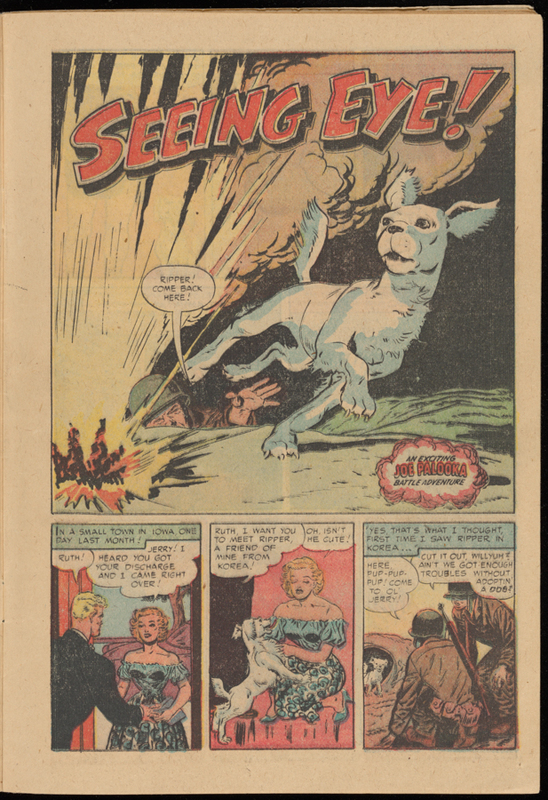
The adolescent boys who read horror and detective comics with increasing avidity from the late 1940s expected scary villains, ghastly crimes, endangered women in minimal or tight-fitting clothing, and unforgiving punishments meted out to the antagonists. By contemporary standards much of this material would justify the use of trigger warnings.
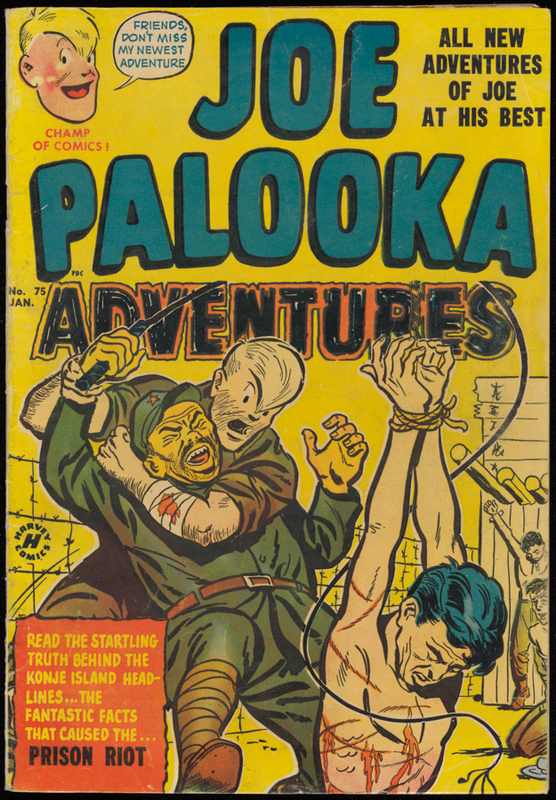
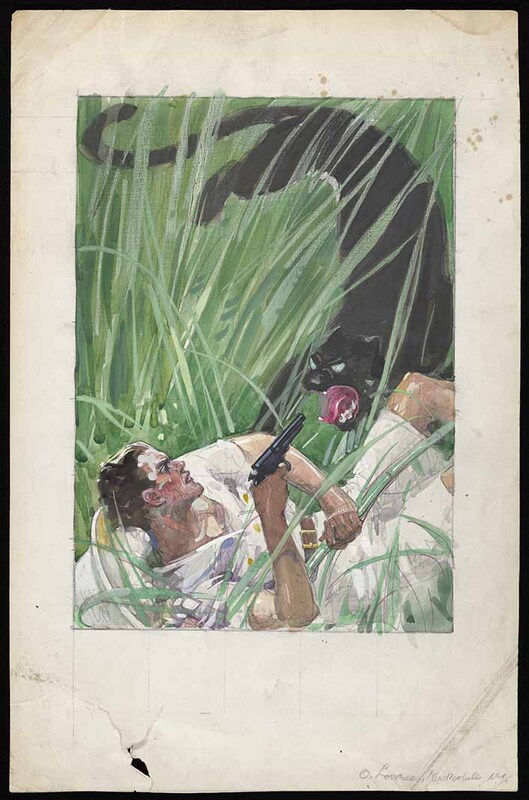
The jungle genre flourished in comics because it offered an exotic setting, added sexual frisson, and presented theatrical danger as suggested by the Orson Lowell pulp cover illustration (ca.1930). Colonial prerogatives mirrored by underlying anxiety about race mark other aspects of pulp publications. Edgar Rice Burroughs’ Tarzan, first published as a series in the pulp magazine All-Story in 1912, offered American readers an exotic African setting, consciously or not projecting the domestic racial hierarchies enshrined in Jim Crow.
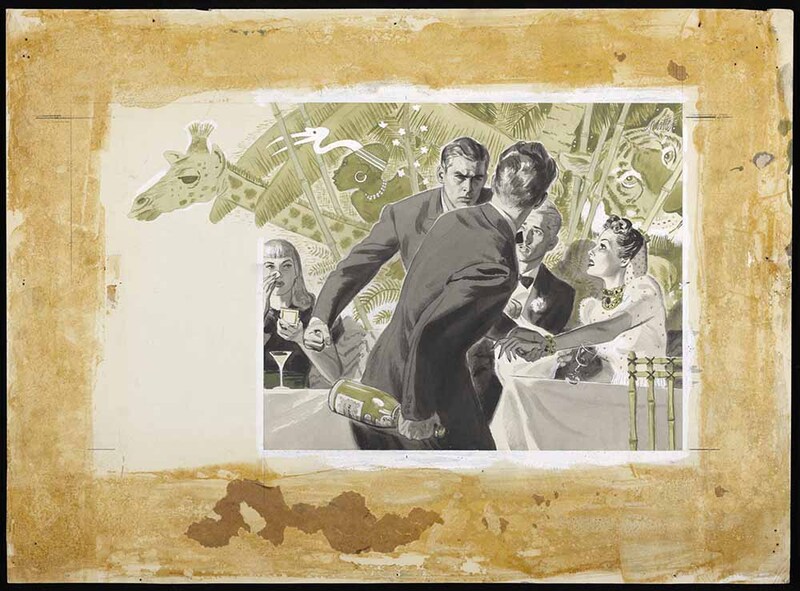
Meanwhile the embrace of “primitive” African art by modern artists like Pablo Picasso combined with Sigmund Freud’s investigation of the unconscious informed high cultural fantasies of “authenticity.” These themes were even visible as a backdrop to confrontations in slicker media, as in the Al Parker Good Housekeeping fiction illustration for Faith Baldwin’s “Love Can Be a Problem” from May 1940. Heroic Black protagonists, however, would not appear in American comic books until the 1960s. Unresolved issues of race surface in all American art forms, but especially popular ones.