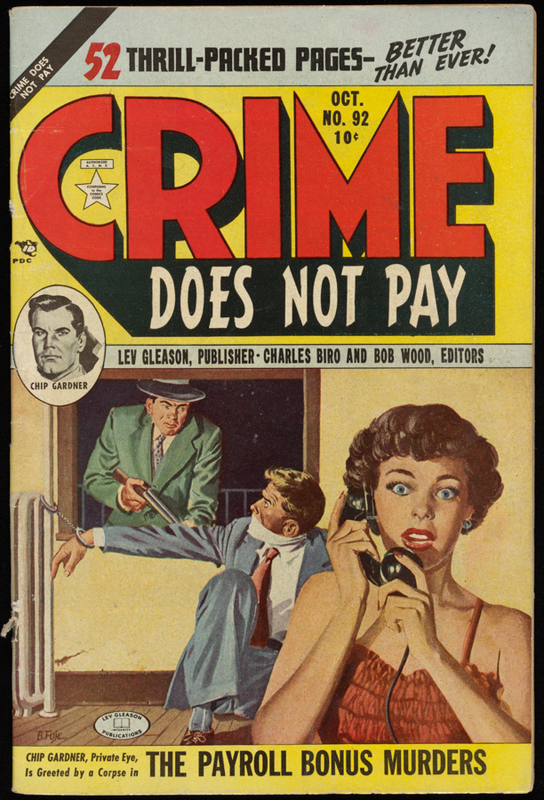
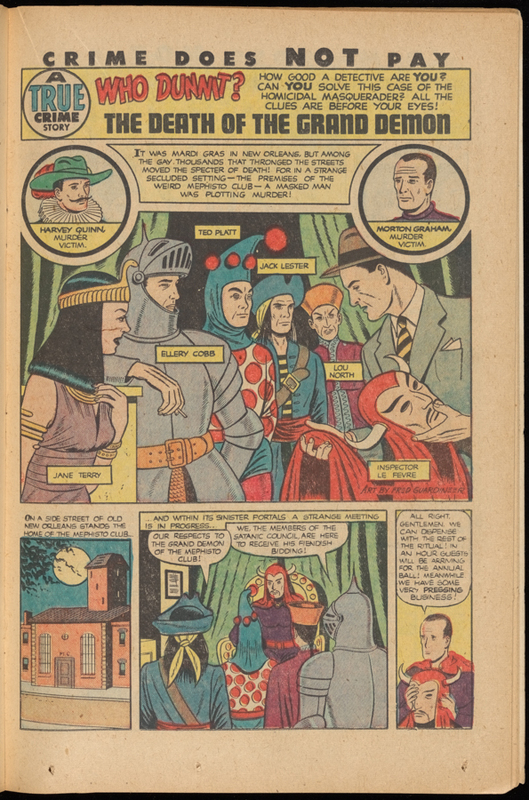
A Brewing Backlash: Pulp Publishing, Crime Comics, and Public Outcry
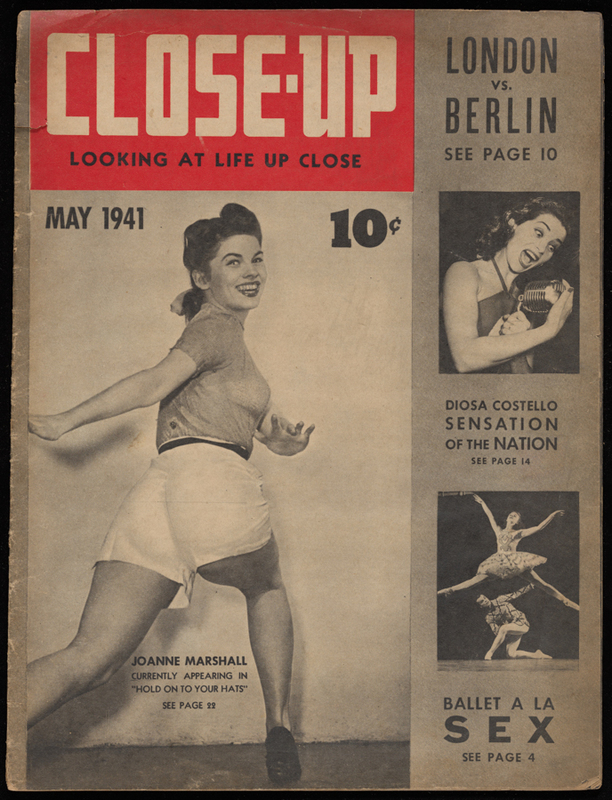
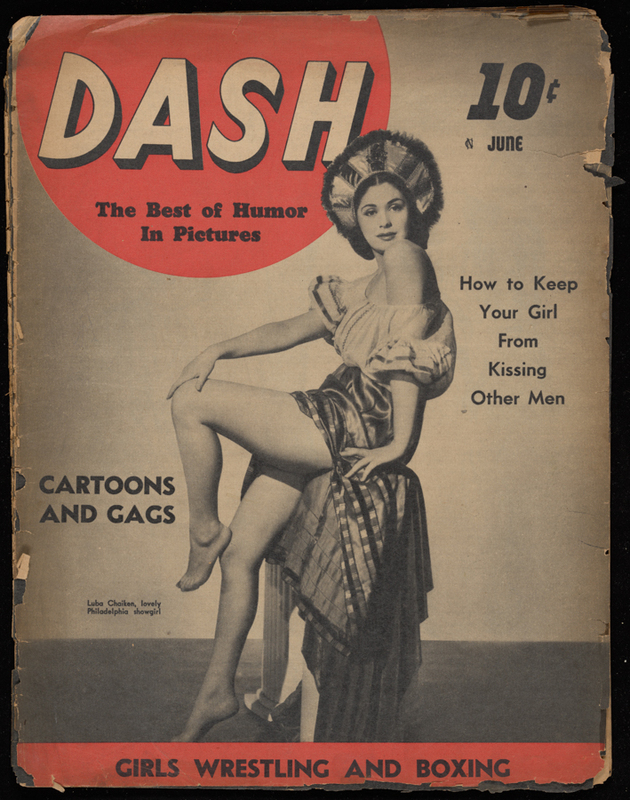
During the 1930s and early 1940s, publishers of pulp material experimented to find successful formulas for attracting audiences. Intermingled profiles of film actresses, suggestive “art” photography, and humor account for one such approach and is visible in two publications from 1941: Close-Up (May) and Dash (June). Both magazines were published at the New York address of MLJ Magazines, the firm started by Maurice Coyne, Louis Silberkleit, and John L. Goldwater in 1939, but the monogram built from the three founders’ given names does not appear on either issue.
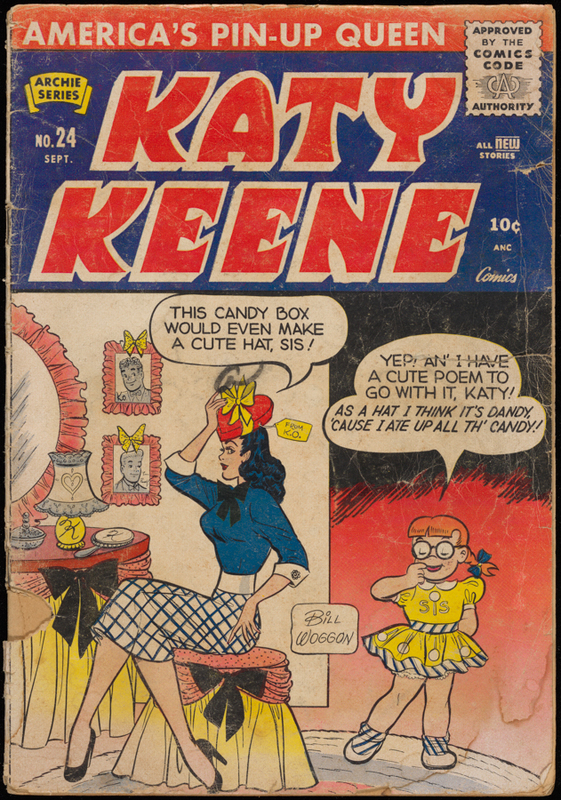
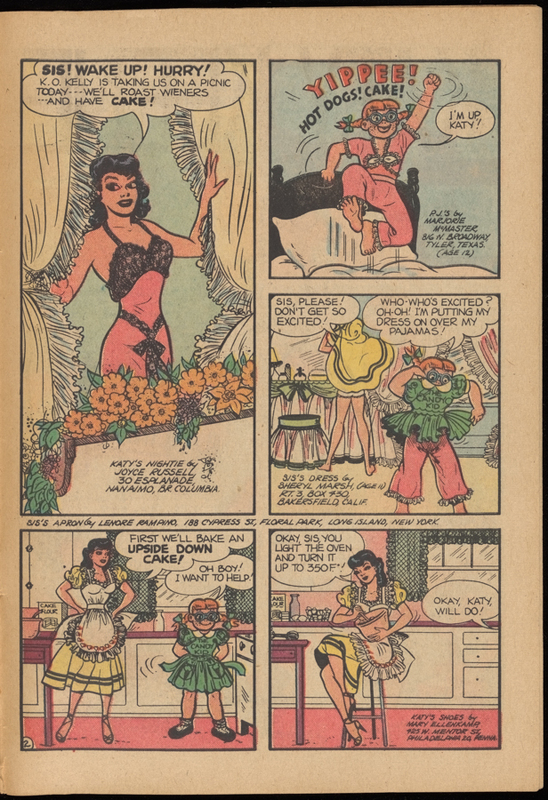
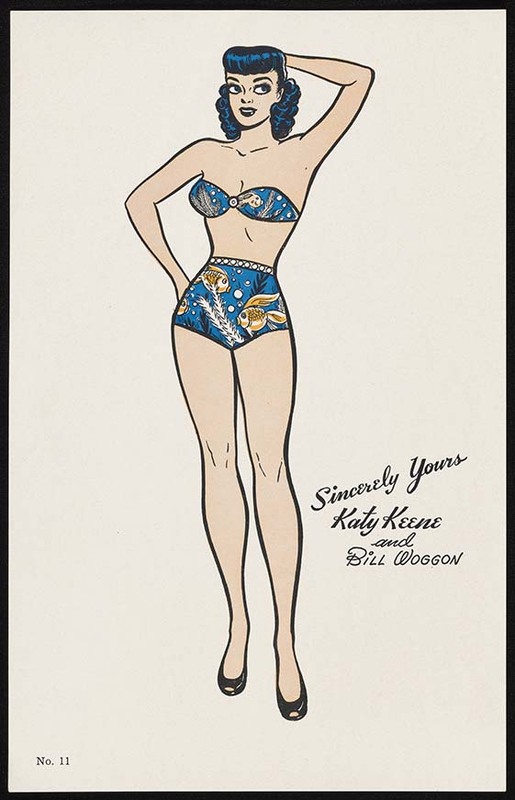
Goldwater led the company away from material aimed at boys toward more wholesome fare for all audiences. The exception seems to be found in Katy Keene, drawn by Bill Woggon and published by Archie Comics. The comic books featuring Keene proudly branded her America's Pin-Up Queen on the covers and she was a smartly designed charater that appealed to both male and female readers.
Detective and crime comic books continued to evolve toward ever more salacious subjects highlighted on covers to drive sales in drug stores and newsstands. Alluring women in grave danger reliably attracted the interest of twelve- to fifteen-year-old boys. Rock and roll, violent comic books, and other forms of new postwar American youth culture began to attract the attention of moral arbiters.