
Digital Exhibits
A history of digital exhibitions curated from collections held within or cultivated by the WashU Libraries.
For more information about WashU's Special Collections, visit the WashU Libraries.
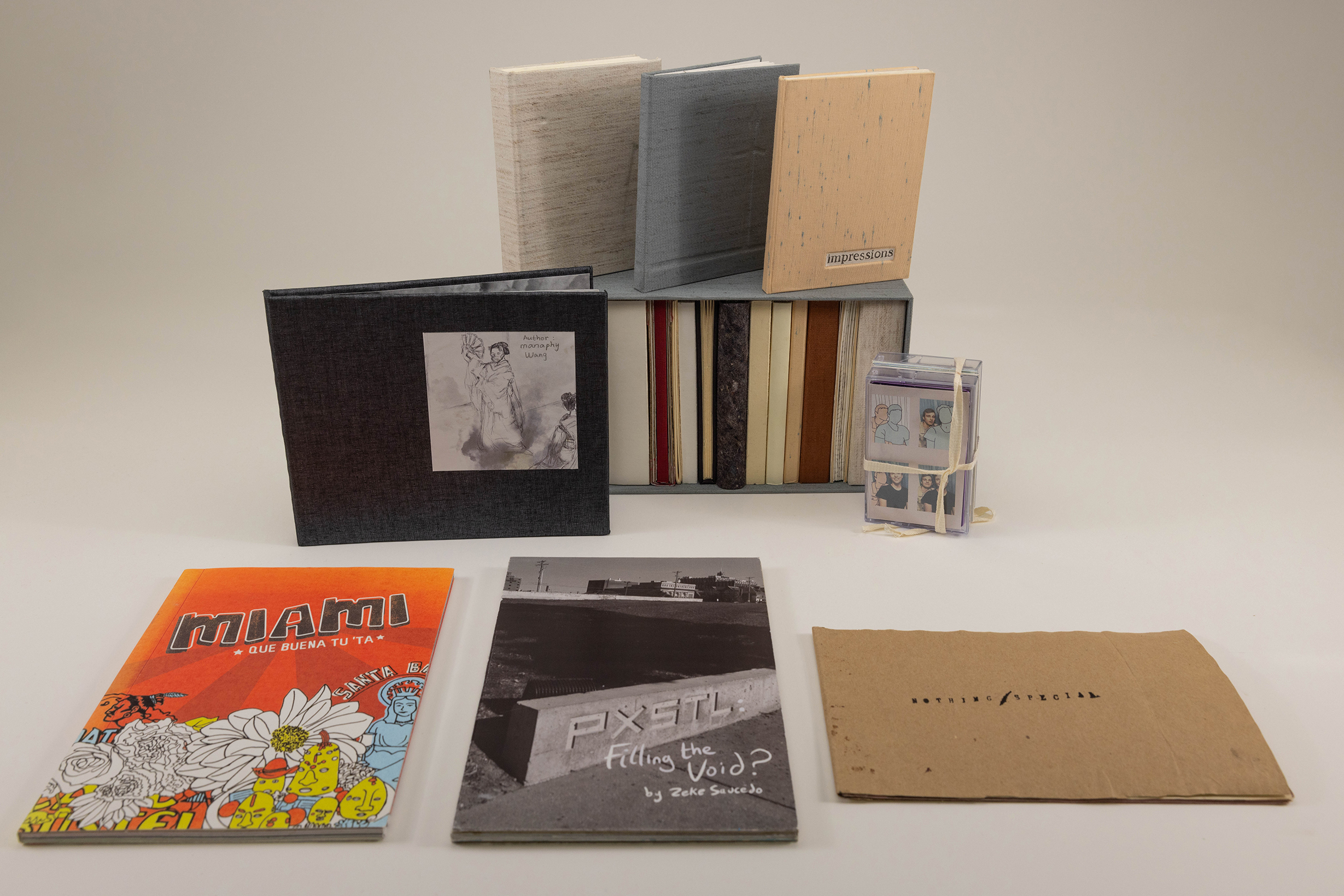
The Urban Books digital exhibition is intended as a study resource for students in the Urban Books course, an interdisciplinary project combining urban theory, graphic design, and the production of artists’ books, which has been taught at WashU since 2004. The exhibition also includes student final projects from each year of the course.
This collection of sheet music from the Louisiana Purchase Exposition, the Gaylord Music Library at Washington University in St. Louis, demonstrates how the intersecting values of education and entertainment, high and low culture, class and race played out in the musical publications surrounding the Louisiana Purchase Exposition.
The Assembled Playwright exhibition presents highlights from the Harley Hammerman Collection on Eugene O’Neill. The exhibition includes manuscripts, correspondence, photographs, playbills, posters, inscribed books, and other unique and rare materials by and pertinent to the Nobel Prize-winning playwright.
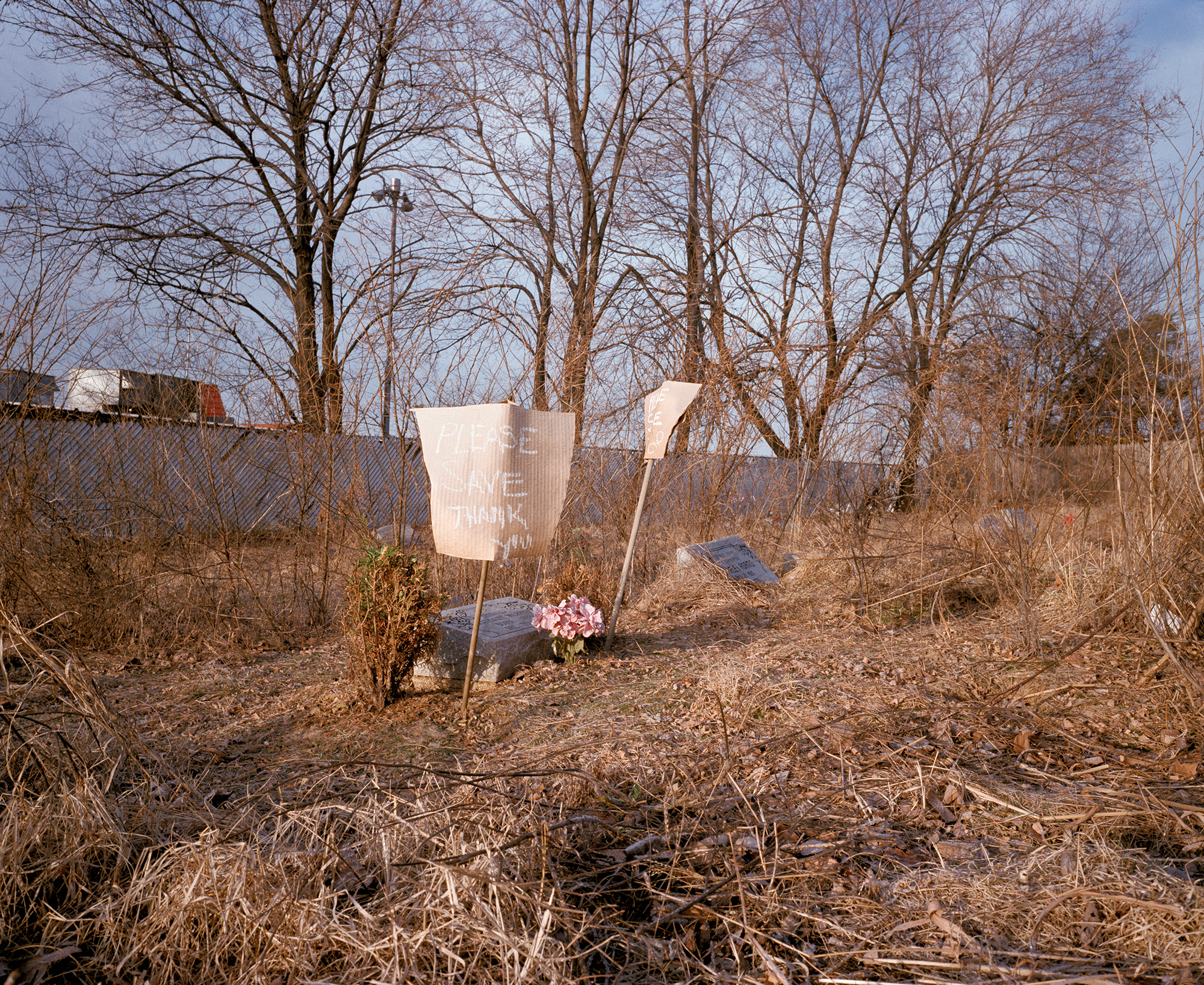
Higher Ground is a history of Washington Park Cemetery, an African American cemetery located near Lambert St Louis Airport in the city of Berkley.
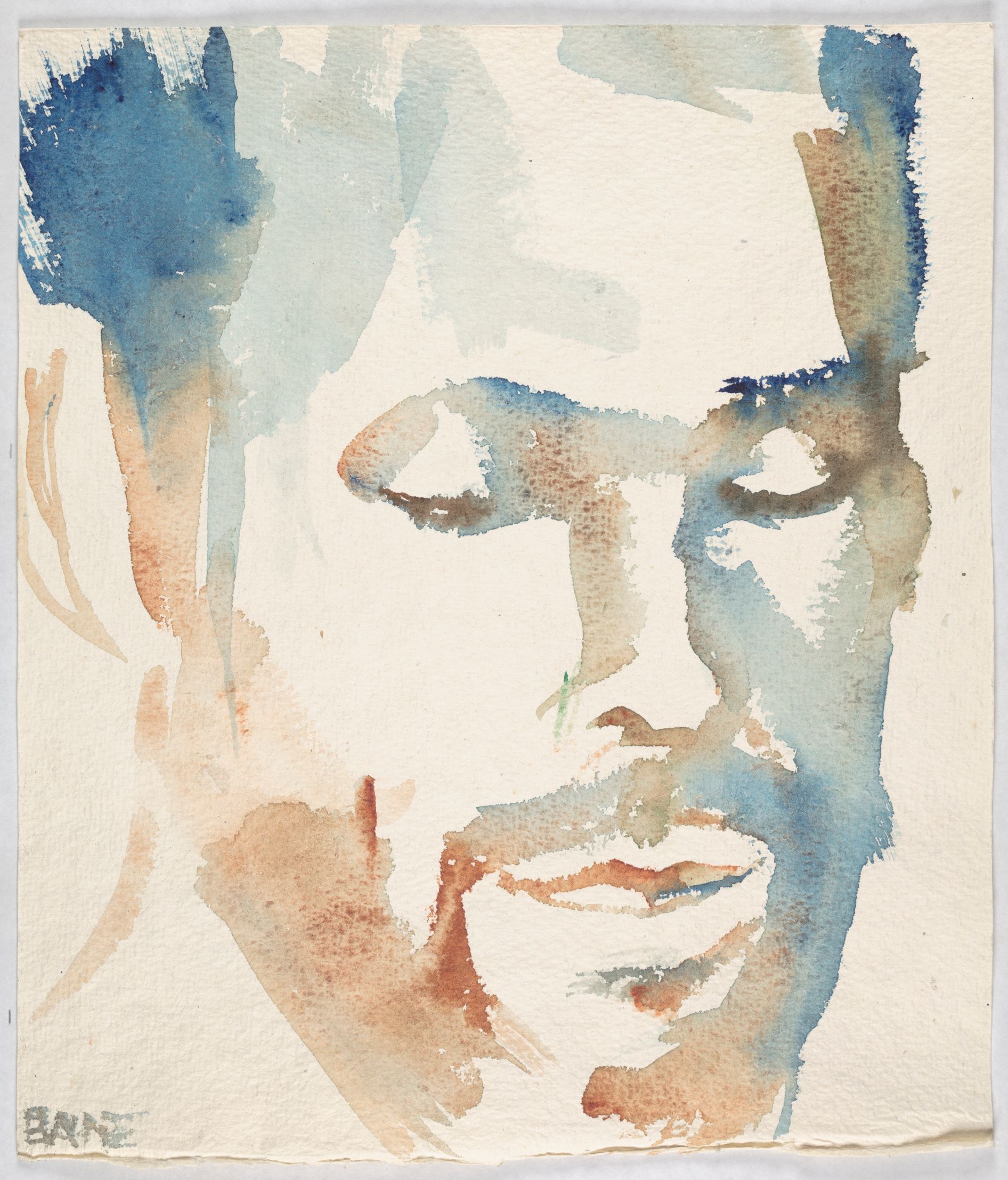
In 2021 the Washington University Libraries acquired the literary papers of Aaron Coleman, a poet and translator who received his Master of Fine Arts in Creative Writing in 2015 and Doctor of Philosophy in Comparative Literature in 2021 from Washington University in St. Louis. The Aaron Coleman Papers consist of drafts of poems from his first two books and other materials related to his time at Washington University.
The Wherein I Am exhibition is organized by PhD Student in Comparative Literature Sarah Maria Medina.
The Wherein I Am exhibition is organized by PhD Student in Comparative Literature Sarah Maria Medina.

Eyes on the Prize is a 14-part series which was originally released in two parts: Eyes I in 1987 and Eyes II in 1990. This series, which debuted on PBS stations, is considered to be the definitive documentary on the Civil Rights Movement. “Eyes on the Prize” won more than twenty major awards and attracted over 20 million viewers.
This exhibit includes all 127 interviews that were made for the first series subtitled “America’s Civil Right Years 1954-1965." The interviews are part of the Henry Hampton Collection housed at the Film and Media Archive at Washington University Libraries.
This exhibit includes all 127 interviews that were made for the first series subtitled “America’s Civil Right Years 1954-1965." The interviews are part of the Henry Hampton Collection housed at the Film and Media Archive at Washington University Libraries.
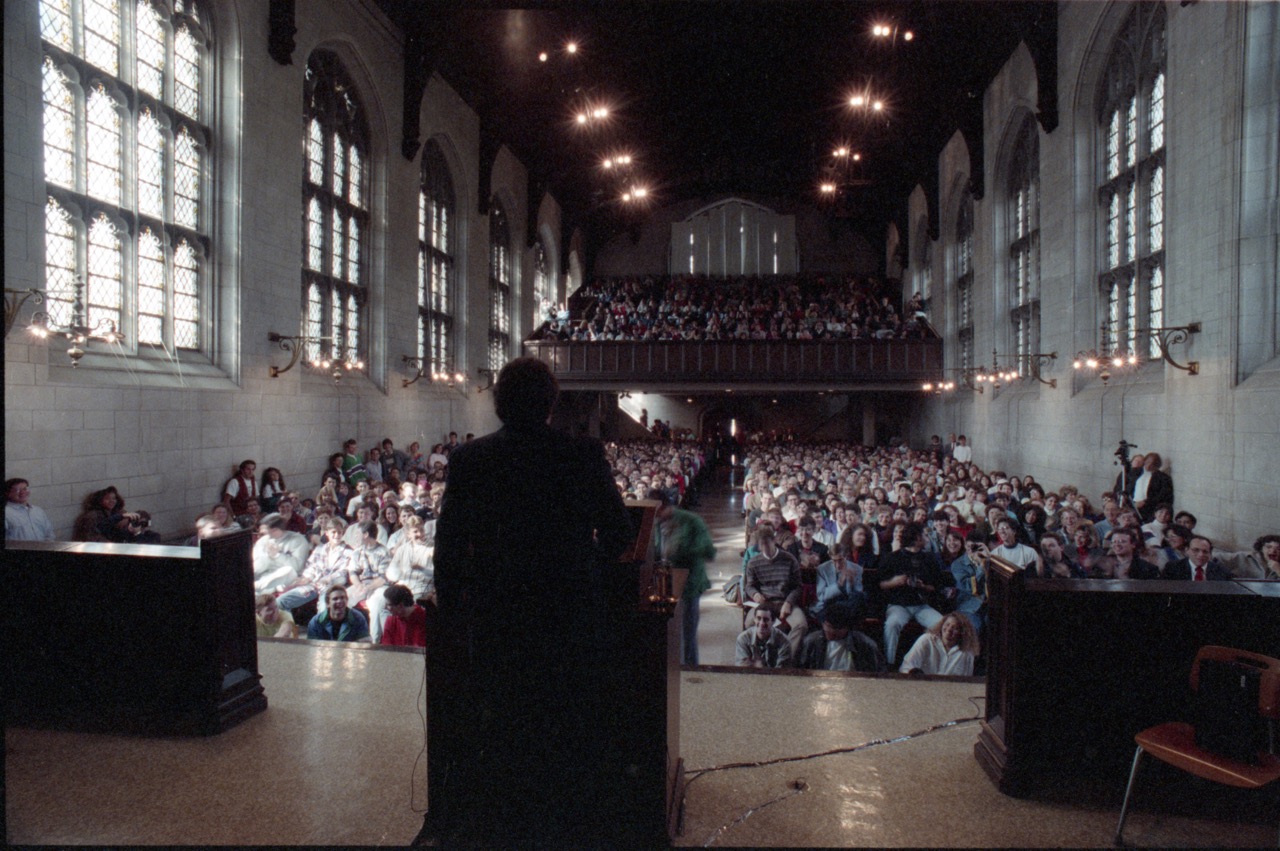
The Assembly Series is WashU’s signature public lecture series featuring some of the most prominent voices of the late 20th and early 21st century. WashU Libraries digitized and preserved over 1,400 analog recordings of Assembly Series lectures. Through these efforts, this significant collection of over 70 years of recorded lectures is now available to researchers, students, and the general public.
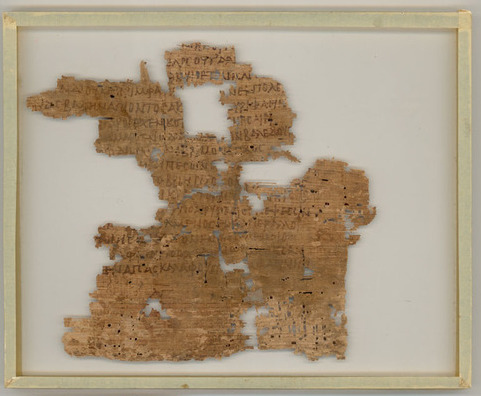
This exhibition includes a sampling of the numerous works in Washington University’s Julian Edison Department of Special Collections that are of interest to those studying Ancient Greece and Rome. The University owns a collection of over 400 papyri from Greco-Roman Egypt, including both literary and documentary texts; early editions, including incunabula, of several ancient authors; important works by early Humanists; illustrated editions of mathematical and architectural works; editions of ancient authors from the library of Thomas Jefferson; and unusual responses to Greek and Roman literature by modern poets.
13–24 of 28