The Iceman: Comeback and Death
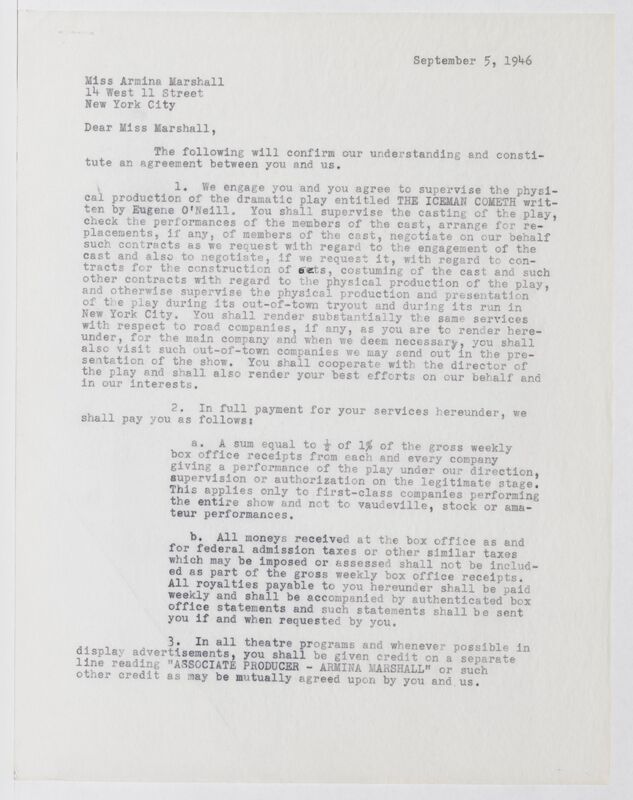
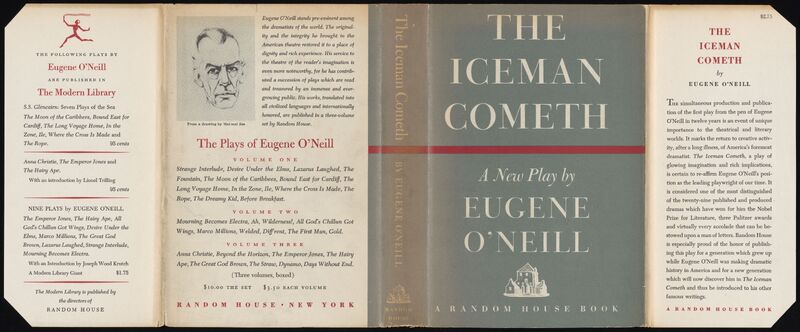
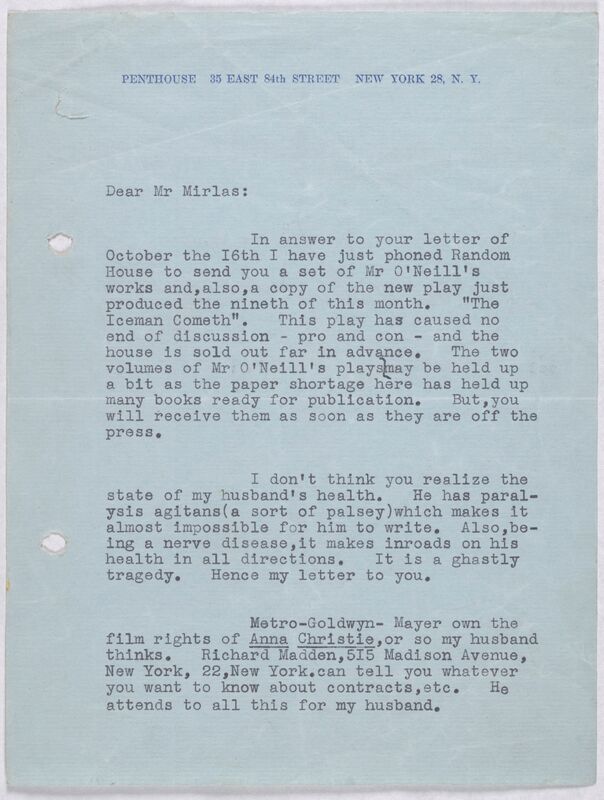
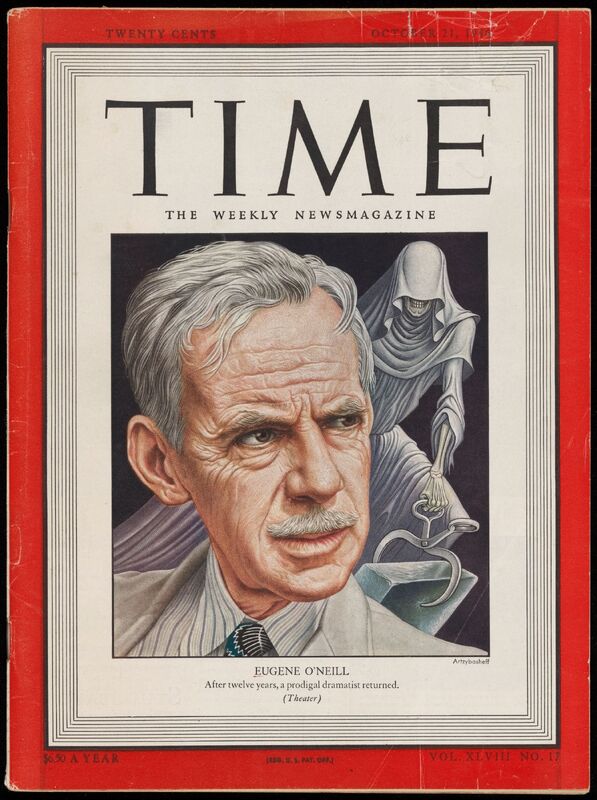
After a twelve-year hiatus from Broadway, O'Neill retuned to oversee production of The Iceman Cometh (1946). His return garnered much interest and respect but the play received mixed reviews. The following year, A Moon for the Misbegotten, a sequel of sorts to Long Day’s
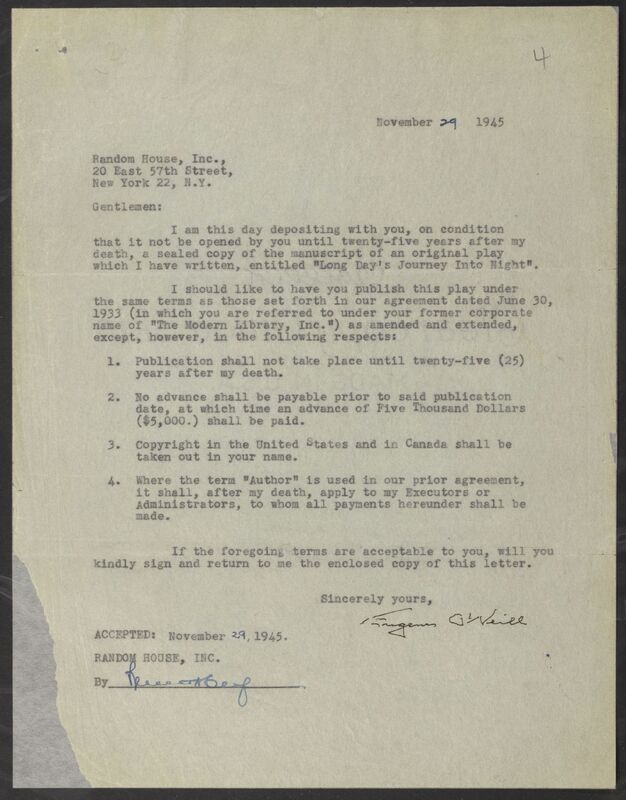
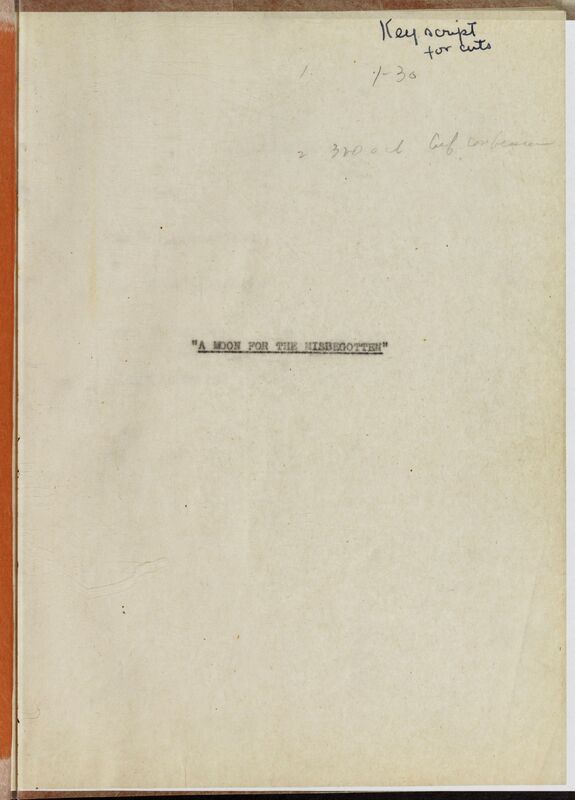
Journey Into Night—which O’Neill forbid from being performed or published—was beset with casting problems so it opened instead in Ohio for a short tour of the Midwest. It failed to make an impression except with the local censors, and O’Neill refused to rework it for another try at
Broadway.
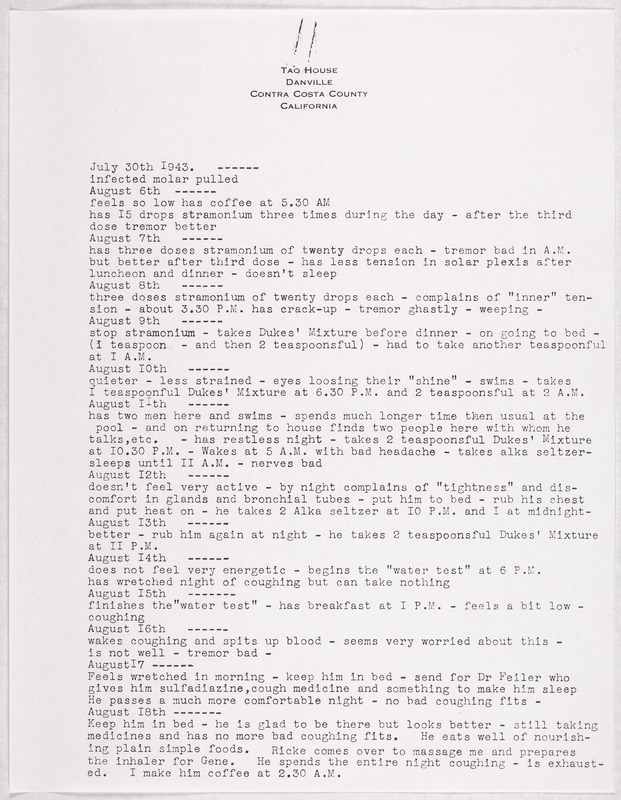
O'Neill suffered from many illnesses in his life, including alcoholism and depression, but the Parkinsons-like tremors that took away his ability to write during the last ten years of his life were most devastating to his work, leaving many scripts unfinished and destroyed. A Moon for
the Misbegotten was the last play O’Neill was able to finish, in 1943, and would be the last play to premiere during his lifetime.
As family troubles and illnesses became more dire, O’Neill and Carlotta were estranged for a time but they reunited and he made her his literary executor. Eugene O’Neill died (also in a hotel room) in Boston, Mass., on November 27, 1953 and was buried in Forest Hills Cemetery in
Boston. In 2000 researchers who studied his autopsy report determined he died not from Parkinson’s or the effects of alcoholism but of a rare form of a genetic brain deterioration called cerebellar abiotrophy.