Strange Interlude: Carlotta Monterey and the Tao House
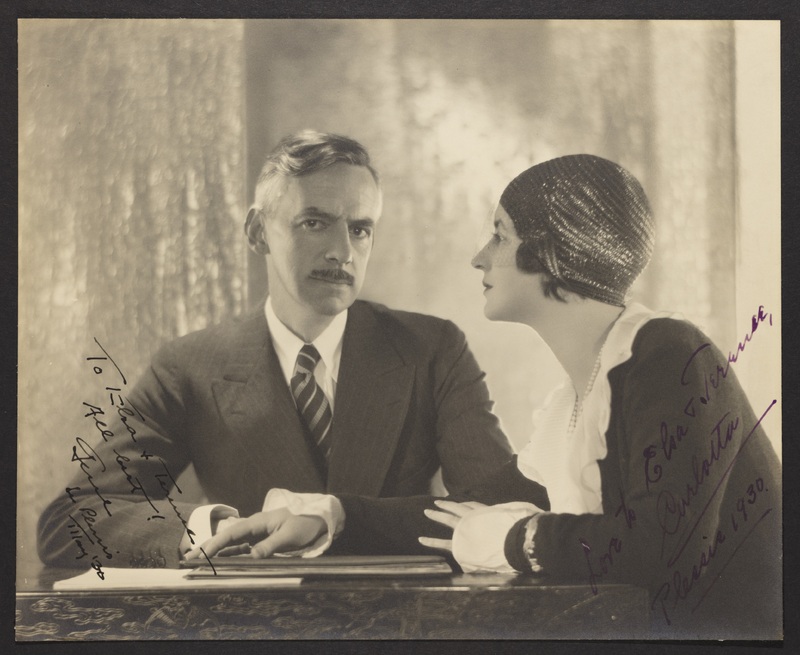
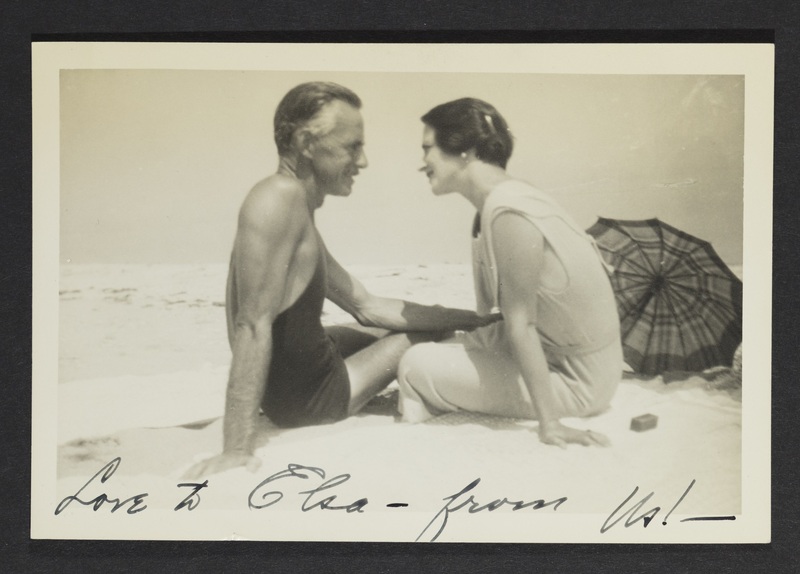
Carlotta Monterey first met Eugene O’Neill when she played the leading female role in The Hairy Ape on Broadway in 1922, but it wasn’t until 1926 that their love affair started. O’Neill had been married to fiction writer Agnes Boulton since 1918 and they had two children
together, but the marriage was increasingly troubled. The lovers eloped to Europe in 1928 and when Agnes finally granted a divorce the following year they married and settled in France, only to return to the U.S. in 1931 for the production of Mourning Becomes Electra.
In 1936, O’Neill received the Nobel Prize for Literature as he and Carlotta headed west to live in Seattle. O’Neill became fixated on an eleven-part Cycle of plays centered on multiple generations of a New England family that would tell the history of America from 1775 to 1930. Ever searching for a place of quiet and solitude in which to work, the two bought a property in the western hills of California and with the Nobel Prize money built a secluded home they called “Tao House.” They would live there for almost seven years in near-isolation from the theatre
world.
O’Neill diligently worked on the Cycle plays for five years with Carlotta’s help, but it proved to be too much for him, with worsening hand tremors making it at times physically impossible to write. Only A Touch of the Poet and More Stately Mansions survived; the rest of the
manuscripts, typescripts and notes O’Neill eventually destroyed when it became clear he couldn’t finish them. He turned to writing autobiographical plays at the Tao House that would become late-career masterpieces: The Iceman Cometh, Hughie, Long Day’s Journey Into Night, and A Moon for the Misbegotten.