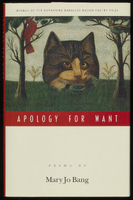
"Apology for Want" marks Bang’s debut as a published poet. Winner of the Bakeless Prize Praised by Ploughshares for its “quiet anarchy” and “subversive, unsettling” voice, this haunting debut showcases Bang’s distinctive syntax and emotional range.
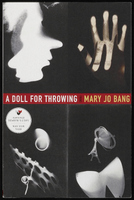
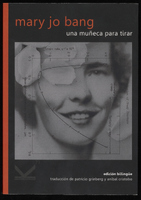
A Doll for Throwing draws from Bauhaus history and the life of photographer Lucia Moholy. Bang uses prose poems shaped like visual blocks, appropriates archival language, and blends image with text. This shows how Bang’s teaching prompts from The Elements of Style syllabus are not just exercises—they are reflections of her own creative praxis.
In these six poems, Bang approaches the subject of Mary, the Madonna, through works of art, using ekphrasis as an entry point. It is also possible to understand this series of poems as an entry point to self portraiture, since she shares her namesake’s name.
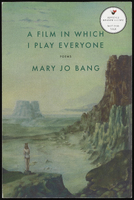
In this poem, Bang incorporates intermediality through song lyrics. Lines as, “Do you like girls or boys,” allow for a queer theme to emerge. This poem would later go on to be published in A Film in Which I Play Everyone.
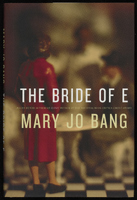
In The Bride of E (2009), Bang constructs an abecedarian sequence— a poetic form in which each section, stanza, or poem follows the order of the alphabet—which includes a collage of historical and contemporary voices. The poems employ associative leaps between philosophical inquiry, pop culture, and poetic form, enacting the very techniques she also teaches in her poetry courses.