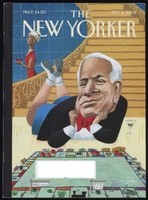
Bang’s poem “Beast Brutality” appeared in The New Yorker, marking another milestone in her evolving relationship with the magazine—once a source of rejections, now a recurring platform for her work. While The New Yorker continues in print, it has embraced digital publication, reflecting a broader shift in literary culture from page to screen.
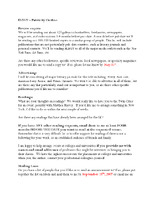
This correspondence between Bang and Jill Bialosky, editor and VP at W.W. Norton, chronicles a professional relationship. Though Bialosky passed on Bang’s manuscript in 1999, calling it “opaque,” she encouraged revision and stayed in touch. Their exchange reflects their ongoing dialogue, culminating in Bialosky’s congratulations on Louise in Love, which was ultimately published by Grove Press.
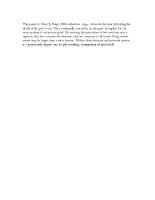
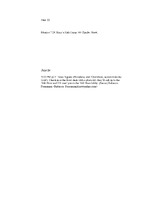
This note signals Bang’s first poem accepted for publication in The New Yorker. The brief message—“Galleys and check to follow”—marks a turning point in Bang’s career, as more publications would follow in the years ahead.
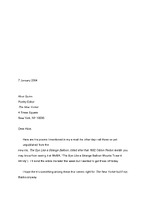
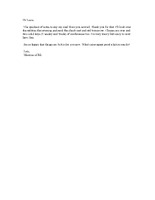
This typed note from poetry editor Alice Quinn declines a submission from Bang. Bang would go on to be published in The New Yorker seven years later. The letter stands as a reminder that early rejection doesn’t preclude future success.
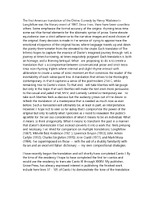
Published just months before Elegy (Graywolf Press, 2007), this poem reimagines Bruegel’s painting to reflect on themes of loss, absence, and emotional distance. (William Carlos Williams, an American modernist poet, also wrote a poem by the same title. And WH Auden alluded to the painting in his poem Musee de Beaux Art.) Bang draws a parallel between the mythic fall and personal grief, showing how tragedy often unfolds unnoticed by the world.