
The Stories that Shape Us: How Folktales Teach Children about the World
curated by Sarah Hawkes
People have been telling stories since the beginning, and the stories that matter most to us last. Stories based in an oral tradition with no one author are known as folktales.
Folktales traveled across the world long before books did, and the common threads between versions of the same story provide insight into the perspectives of different cultures. Folktales still surround us, emerging in our books, theater, movies, music, and art. For ages, these stories have helped children use their imaginations and orient themselves in a complex world.
Cinderella: A Truly Global Tale
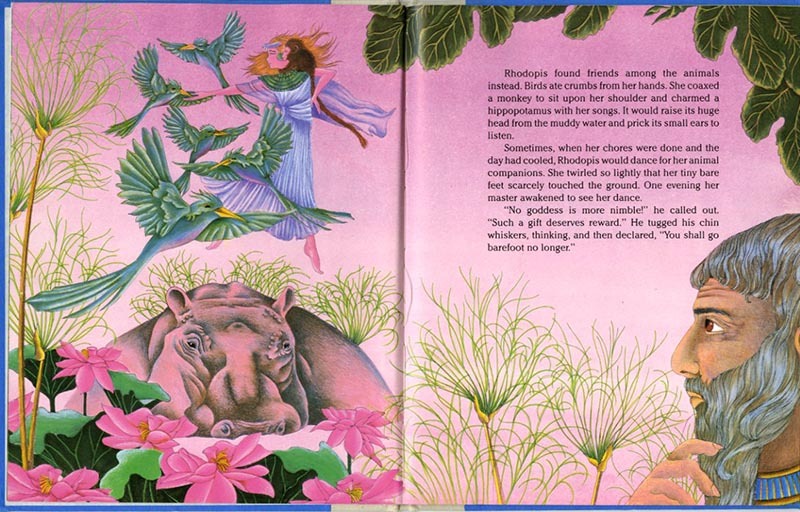
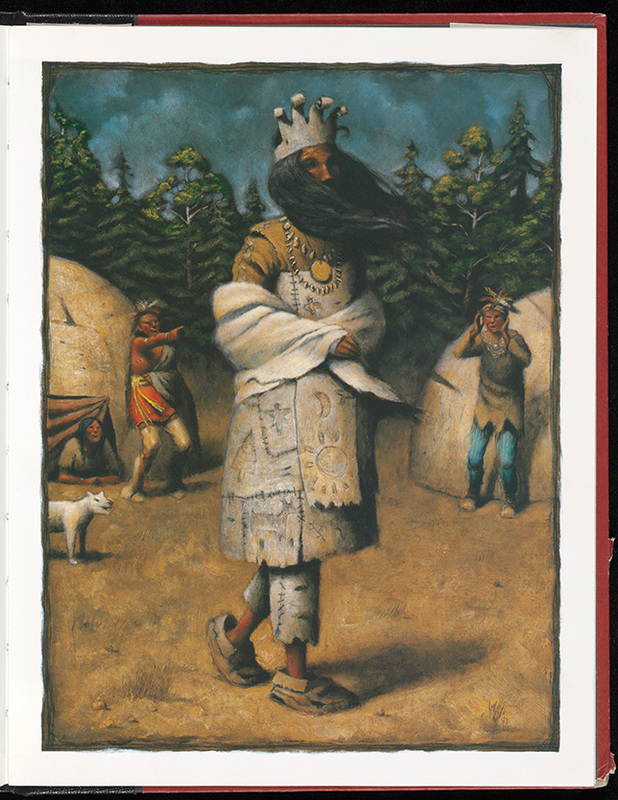
Cinderella may have more variants worldwide than any other folktale. There are ancient versions of the story in Iran (Mah Pishooni) and Vietnam (Tâm and Cam), among others. The French version “Cendrillon,” recorded by Charles Perrault in 1697, became the version of the story we know today.
Cinderella variants almost always include an evil stepmother and sister, a golden shoe, a magical helper, and a royal wedding. They differ, however, in message. Featured here are two illustrated versions of the classic story you may not have heard of.
Cinderella Variants
Creation Myths
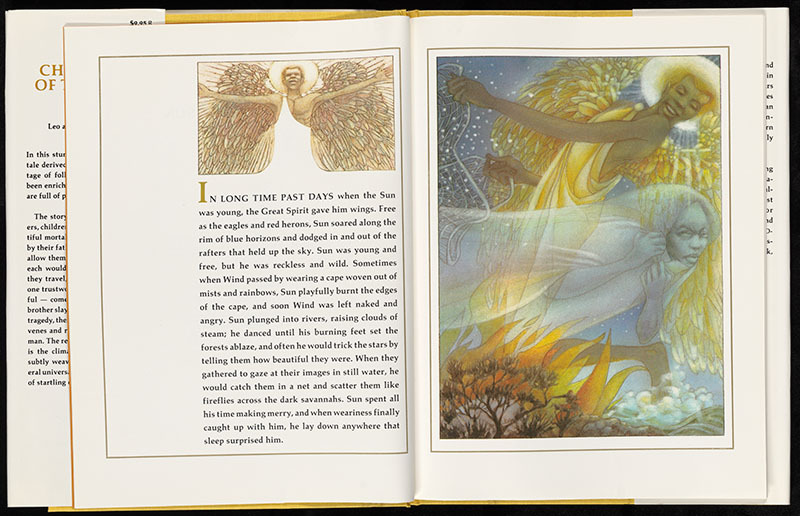
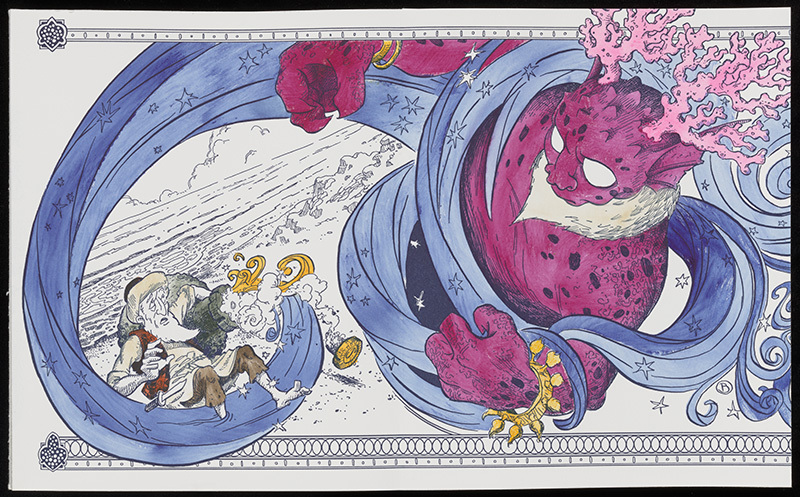
Many folktales are interpretations of how the world works. These stories explained the relationships between the sea, sky, stars, people, and animals. They would have helped children make sense of the natural world and events like the setting sun, fire, sleep, and even death.
Heros and Tricksters
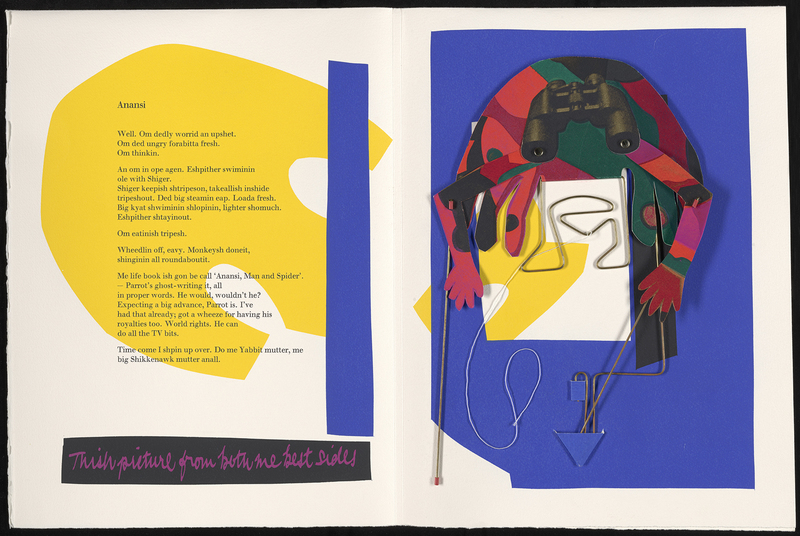
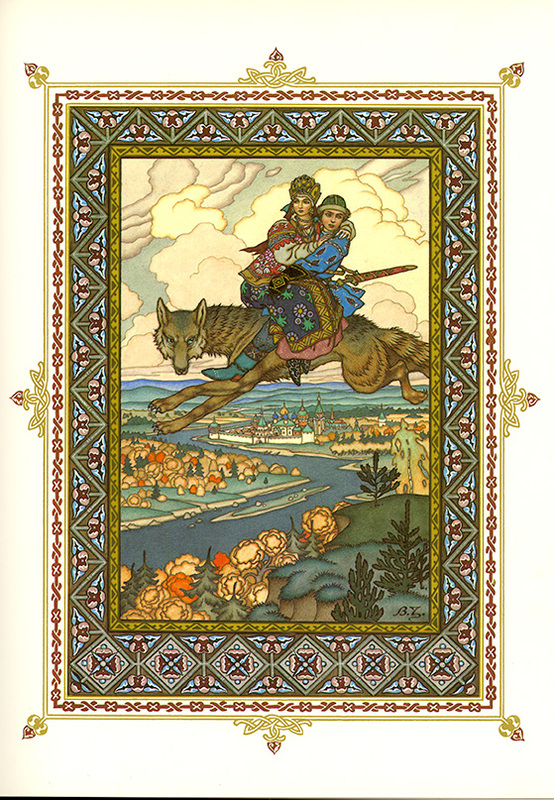
The most common characters featured in folklore are heroes, tricksters, or both. Heroes triumph with their goodness, while tricksters outsmart their opponents. In folktales, heroes always receive a reward, while a trickster's tricks may lead to good fortune or bad luck. These stories were designed to entertain the children who listened.
Morality Tales
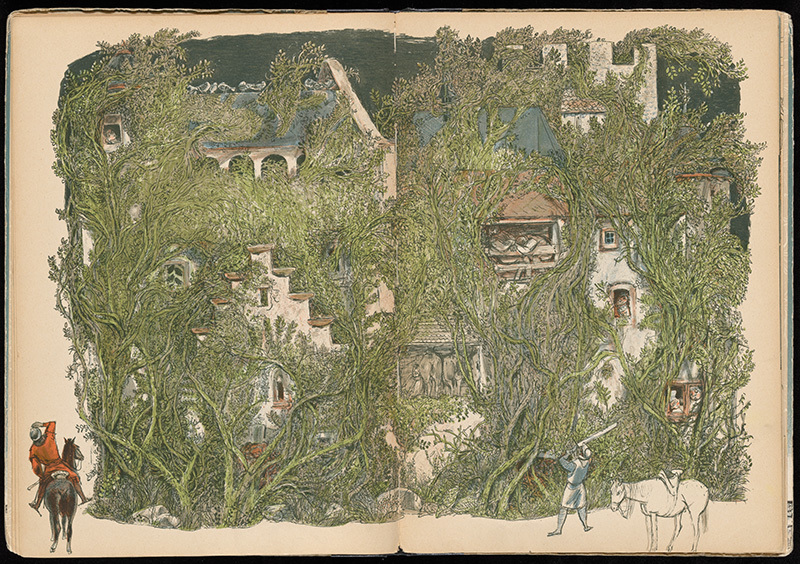
This kind of folktale had a clear purpose; to teach children how to behave. In these stories, virtue is rewarded and evil is punished. These stories also would have warned children about the dangers of disobedience and nonconformity.
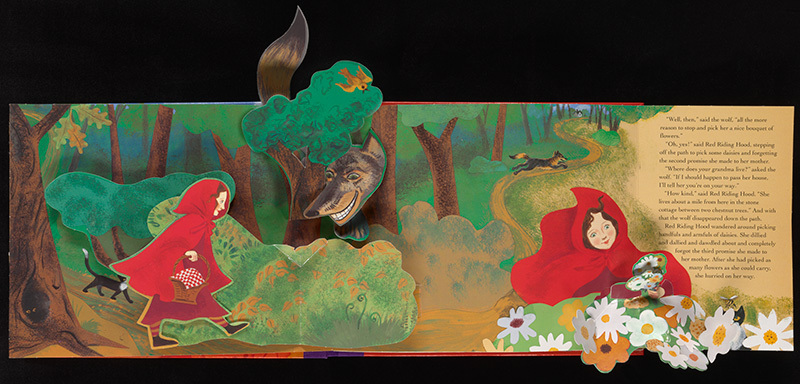
Interior spread from Little "Red Riding Hood"
This folktale warns children of the dangers of strangers, as even someone claiming to be your "grandmother" may be a wolf in disguise.
The Chinese variant of "Little Red Riding Hood" known as "Lon Po Po" features multiple children and a wolf who comes knocking at their home. Their suspicion of the wolf eventually leads it to flee in frustration.
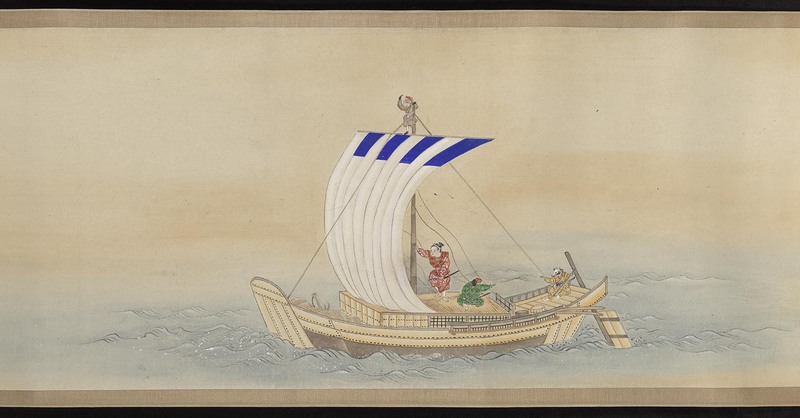
In the Japanese tale "Hanasaka Jiisan", a kind old couple is led to good fortune by their beloved dog, while their jealous neighbors find only filth.
Witches, Goblins, and Ghosts
You may have grown up with Hansel and Gretel; spooky stories have a long history in folklore. These stories would have been told to give listeners a shiver, and to scare mischievous children into heeding their parents.
Baba Yaga
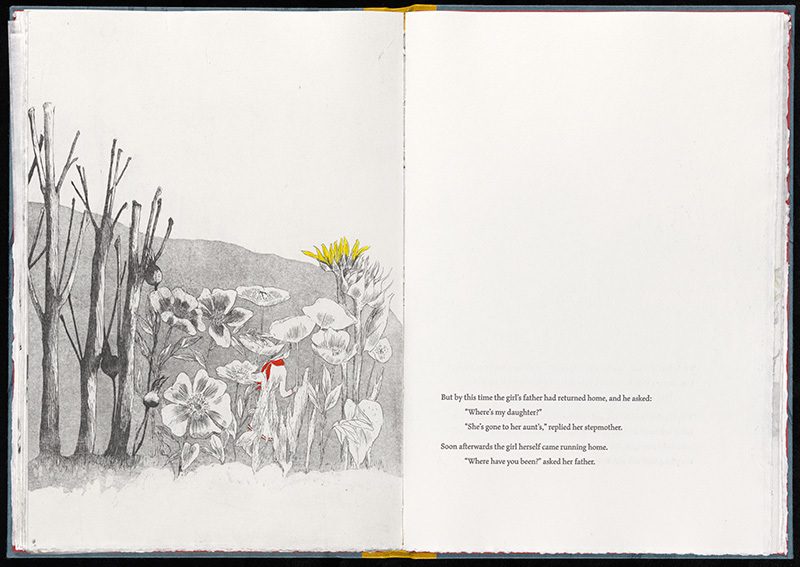
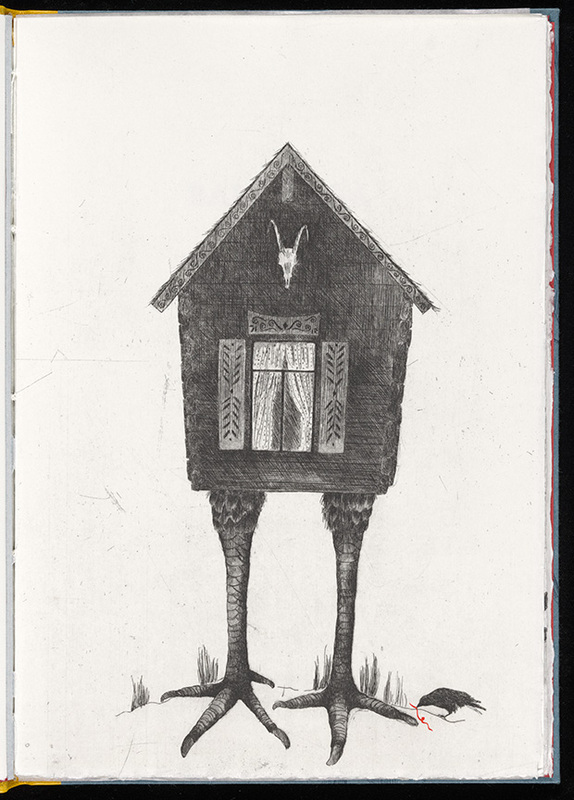
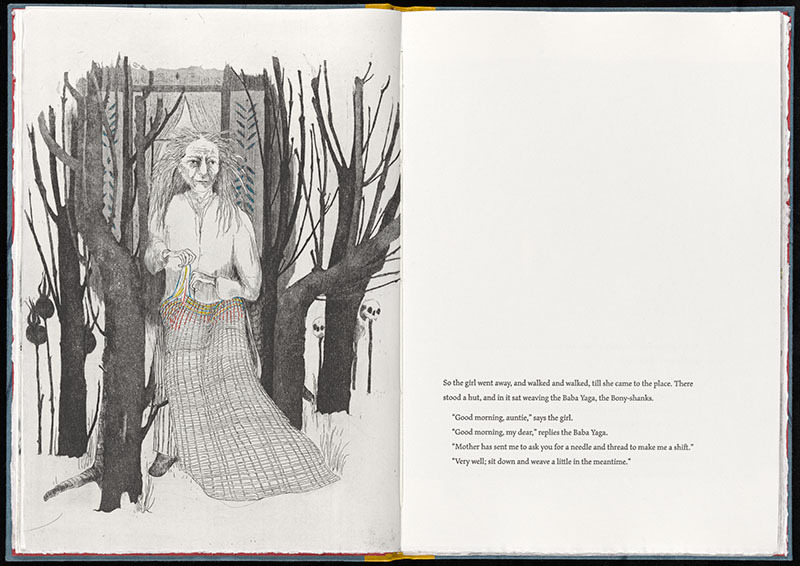
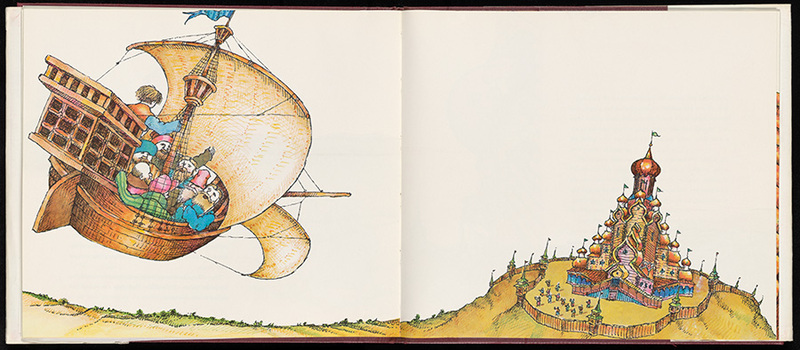
A slavic example of the classic witch story, Baba Yaga lives deep in the forest in a strange house and will eat you up if given the chance.
Other spooky stories include "Kobutori," where an old man is healed of his ailment by dancing with goblins into the night, and "Miss Wren." In "Miss Wren," a classic example of a Chinese fox ghost story, a shapeshifter deceives men and becomes a vindictive ghost.