
Clear Ambiguity: The Visual Narratives of Robert Weaver
curated by Katie Klaras
Robert Weaver’s work marked a stark departure from other mid-century illustrators who often painted idyllic scenes of American life. Weaver visually reported his observations without being literal or prescriptive. He didn’t aim to clarify a text with his illustrations, but rather to unlock additional layers of meaning. In an interview, Weaver discussed this intention in his practice
"What is visible to the naked eye does not always tell the ‘truth;’ so it is sometimes necessary to recompose life or juxtapose two widely separated elements in order to make visible and readable a true but invisible meaning or relationship."
Weaver uses multiple methods including collage, framing, and strategic positioning to tell complex, layered stories in one image.
Collage
Weaver uses collage to both scramble and combine, strategically positioning clipped images together. Each arrangement asks viewers to contemplate the relationship between the collaged and drawn elements. What meanings do these relationships create?
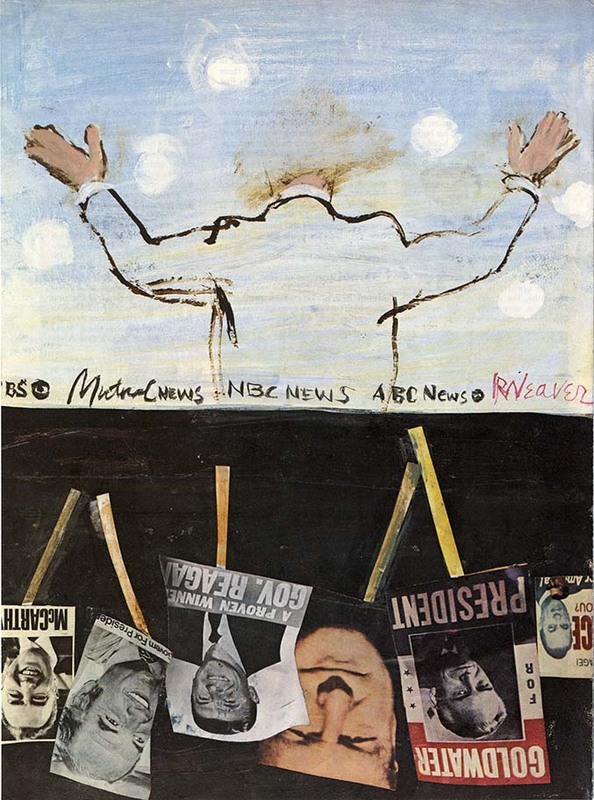
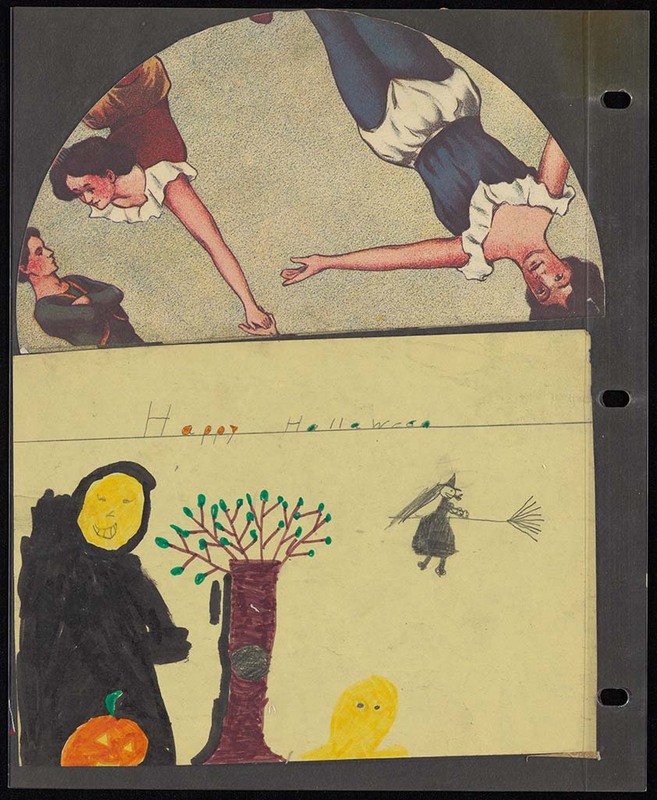
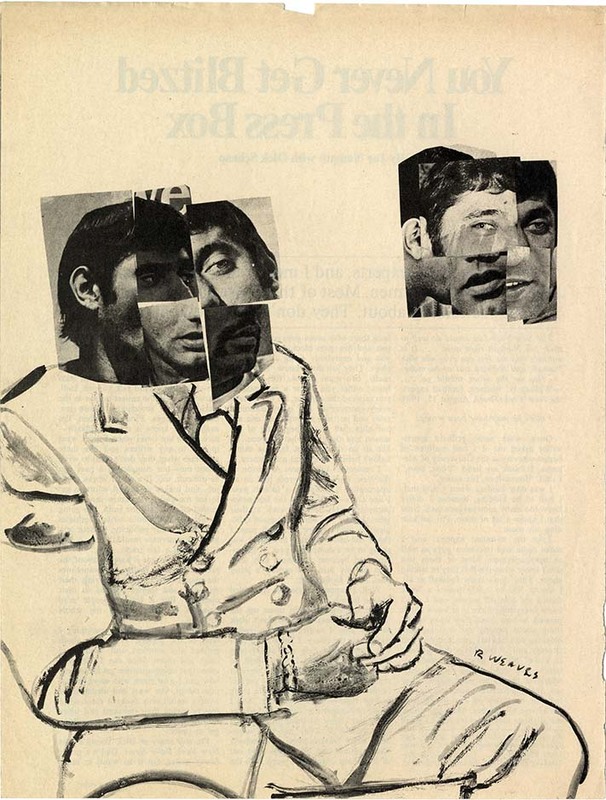
Positioning
Weaver places disparate scenes within the same composition. He uses various techniques to position these images like transposing, stacking, and reflections. Weaver puts the onus on viewers to conclude the relationship of seemingly unrelated elements.
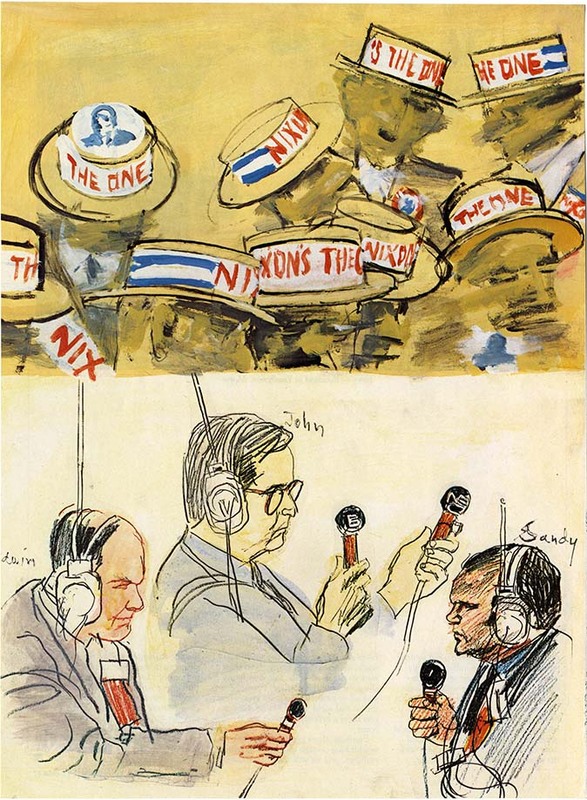
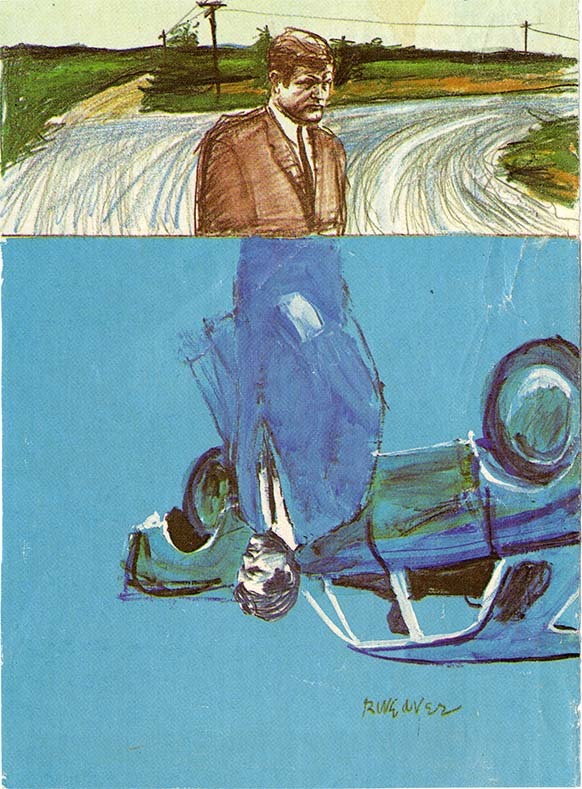
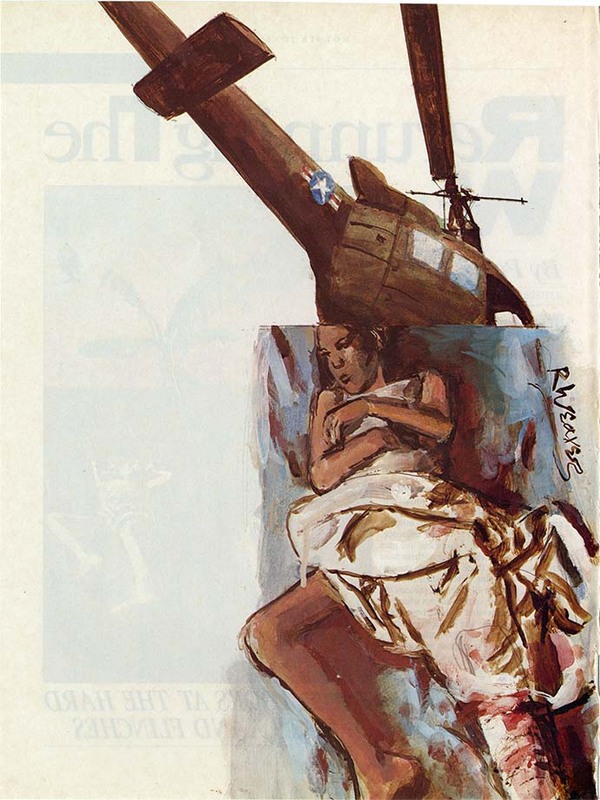
Framing
Weaver uses a recurring visual motif throughout his illustrations: frames. He introduces pictorial frames like windows, mirrors, pictures, and even wire fences to create planes of depth. By creating a sense of separation, reflection, and even voyeurism, Weaver forces the viewer into a specific perspective.
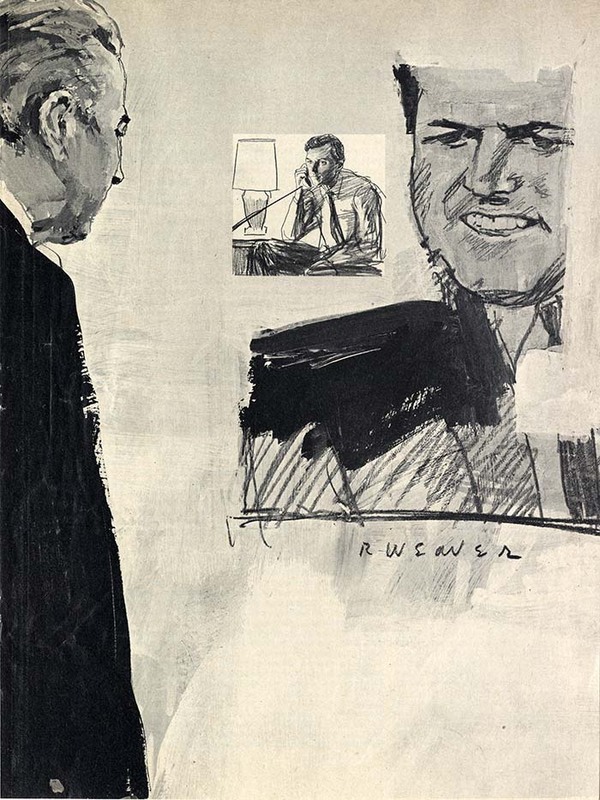
Reportage
Many publications hired Weaver for his skill as a visual journalist. While on assignment, he would show up with a pencil and paper to sketch. Weaver called his sketchbook pages “informational notes.” Preliminary observation and transcription informed his final work.
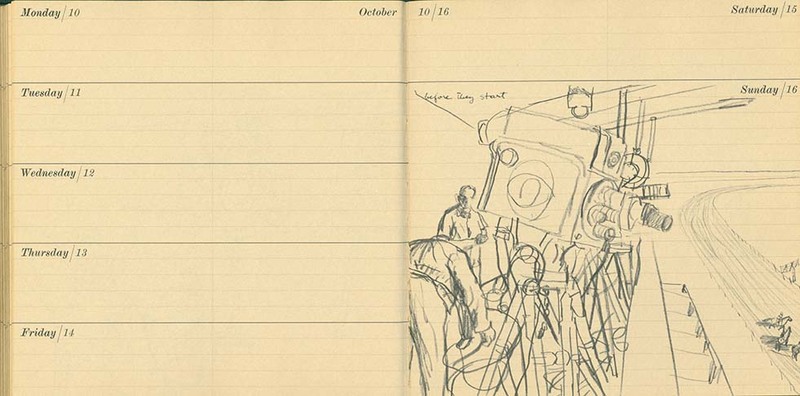
More About Robert Weaver
Art Directors in the 1950s and 1960s hired Robert Weaver when they wanted to push the envelope. Weaver coupled keen observation and expressive yet descriptive brushstrokes to create layered visual narratives. Weaver worked with publications including Esquire, Life, Fortune, Sports Illustrated, Playboy, Mother Jones, and The New York Times. His work can be found at WashU’s Dowd Illustration Research Archive.