
Inhuman Nonhuman
curated by Ben Kent
Anthropomorphism is the applying of human traits upon an animal, object, or other. Nonhuman characters such as Rocket Raccoon of Guardians of the Galaxy or Sonic The Hedgehog are prime examples of mainstream anthro characters. There are a wealth of storytelling possibilities when the nature of humanity and the nature of animals are intertwined. The 1980’s-90’s were a time of experimentation in underground comics and these works are ripe for analysis of how the anthro main character can be utilized, and how this factor can alter the portrayal of conflict.
Underground Comics
The term Underground Comics or “Comix” refers to comics made and distributed outside of the Comics Code Authority. The CCA was established in 1954 in order to restrict the use of crime, violence, horror, and indecency within comics. Comix arose in headshops and mailings, addressing an adult audience with little concern for profit resulting in variety and experimentation. In the 1980’s-90’s, the CCA had begun to decline in viability, allowing comix to grow further.
The Frog Men
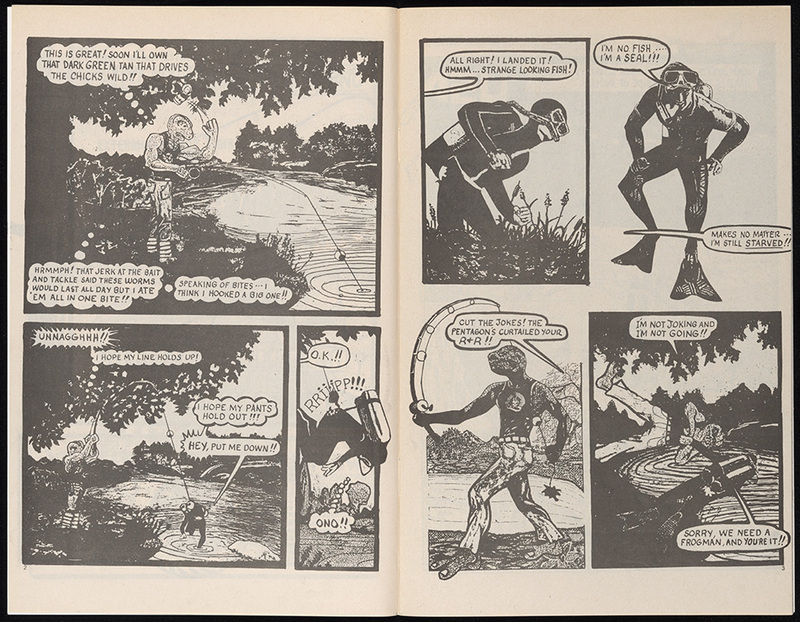
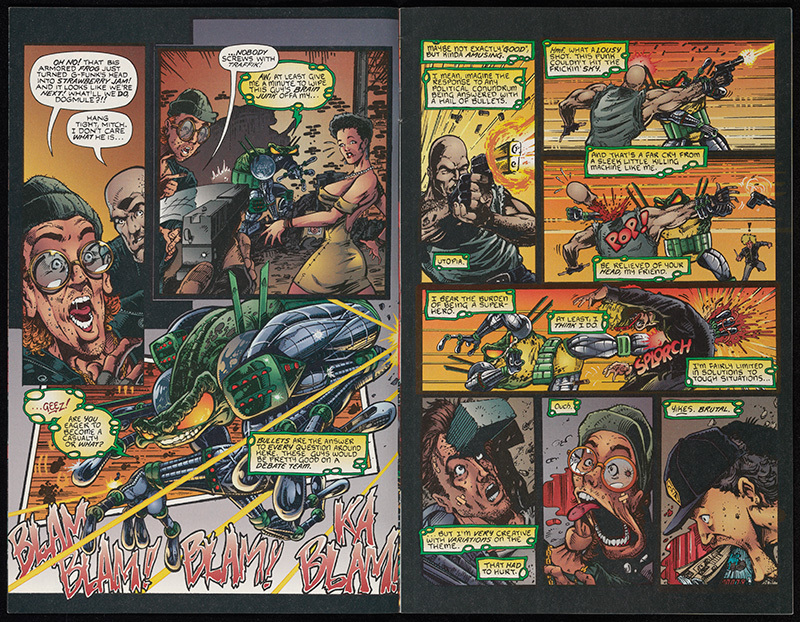
Both Rivit and Cyberfrog are defined by the fact they are frogs the size and shape of a man, yet the utilization of this trait varies. Rivit tries to lead a solitary life, enjoying everyday hobbies like fishing. But when the government calls him into action he fills a role akin to a superspy. Rather than gadgets, he employs many frog-related hijinks, such as a small poisonous-frog friend waiting to spring out from his mouth.
Meanwhile, Cyberfrog comments on his own use of much more brutal and visceral violence, claiming he at least tries to get creative with it. His role as a vigilante supersoldier underutilizes his anthropomorphic traits. However, the bug-like nature of his eventual nemesis does still accentuate a creative dichotomy.
Nemesis of Nemesis
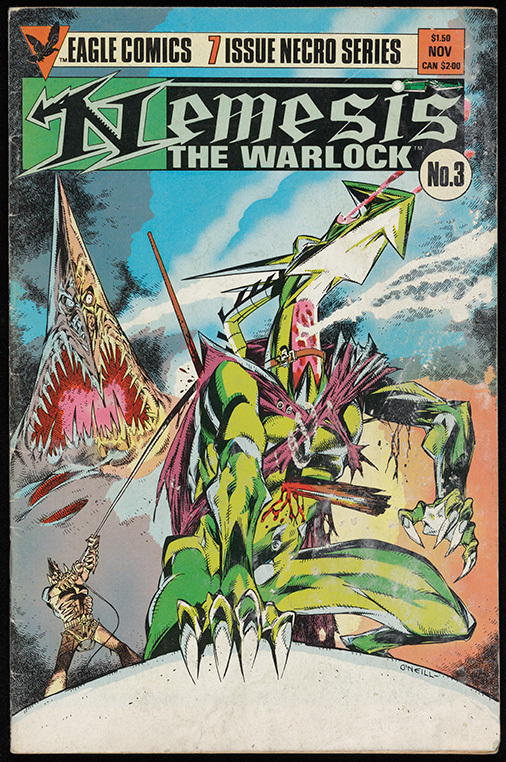
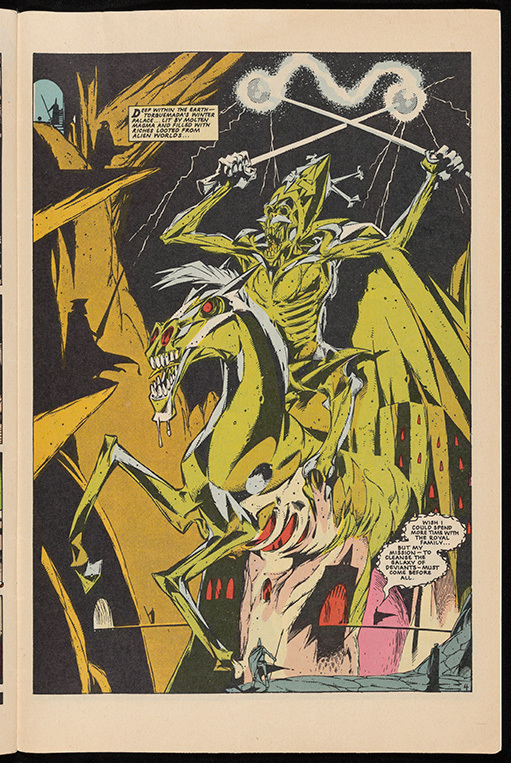
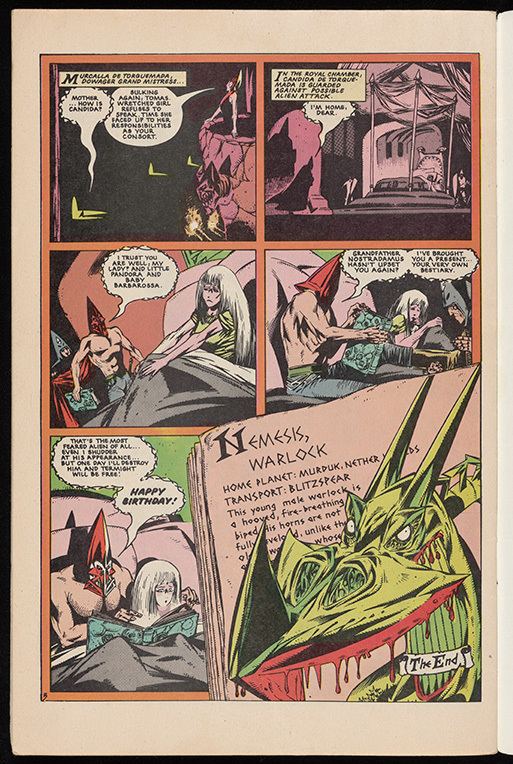
In this comic, the dragon-like alien creature known as Nemesis leads the rebellion against an oppressive galactic empire named Termight, headed by Torquemada. In this dark future, we find Termight is actually the human race, whose xenophobia (the fear of outsiders) has escalated to an outright disgust and condemnation of all alien races.
Alone, Nemesis is defined by his sheer skill in combat and his ruthlessness. By having an enemy that embraces all-too-human negative traits, this nonhuman protagonist is granted an implicitly brighter moral position. Rather than accentuating Nemesis’ own other-ness, the author has elevated this grotesque creature to be more human than the humans themselves.
Hamsters vs. Turtles
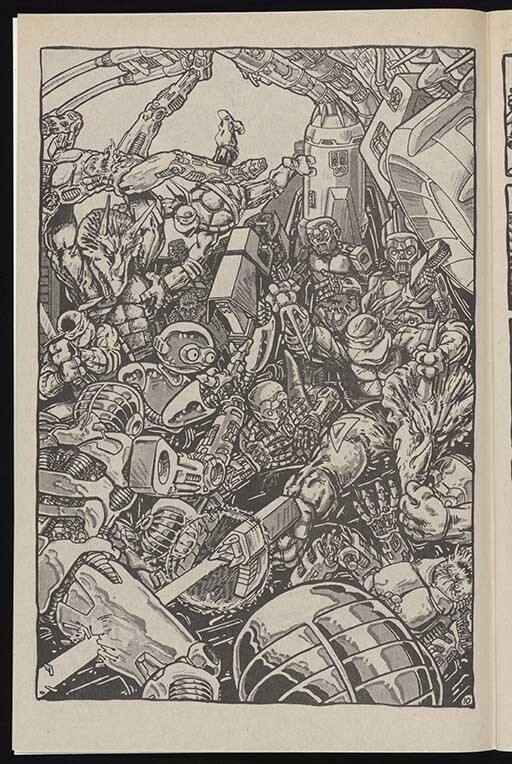
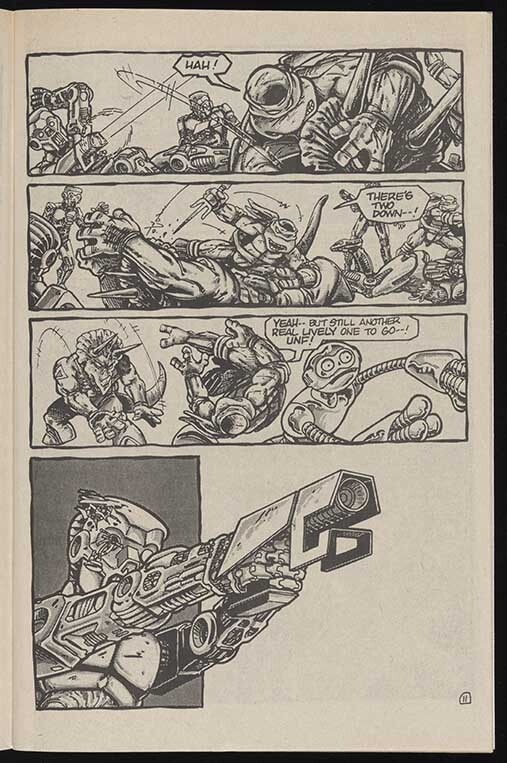
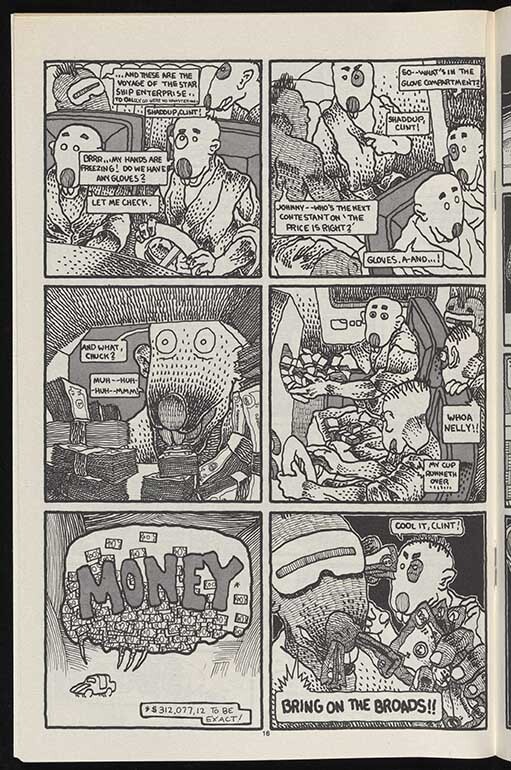
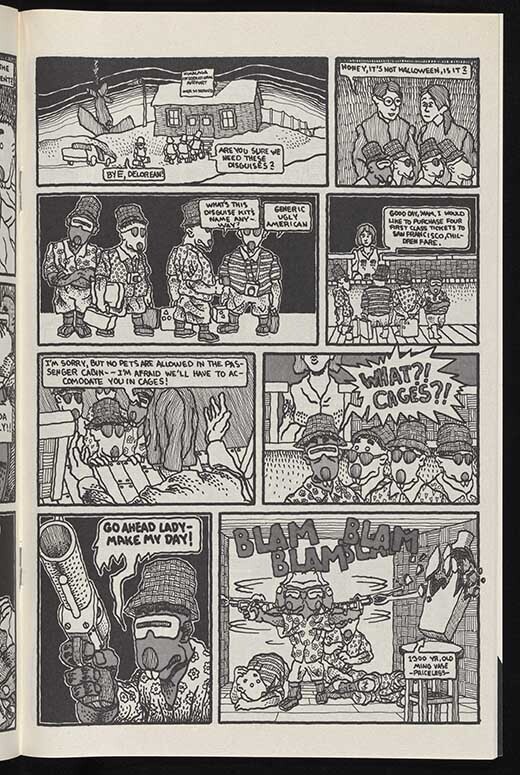
Adolescent Radioactive Black-Belt Hamsters (ARBH) is a satire on the concept of Teenage Mutant Ninja Turtles (TMNT). While the modern image of TMNT combines action and comedy, in its first issues it was little more than a spectacle of combat. The fact that humanoid turtles, dinosaurs, and robots are present in the pages here does not actually factor into the fight itself.
ARBH does precisely what would later contribute to TMNT’s success: leveraging the comedy of the situation. ARBH doesn’t let the reader become numb to the unique nature of both its main characters and the absurd situations they are within. It is key for any anthro character that they cannot simply be substituted for a single constituent part, such as “teenager” or “ninja."
Embracing The Throne
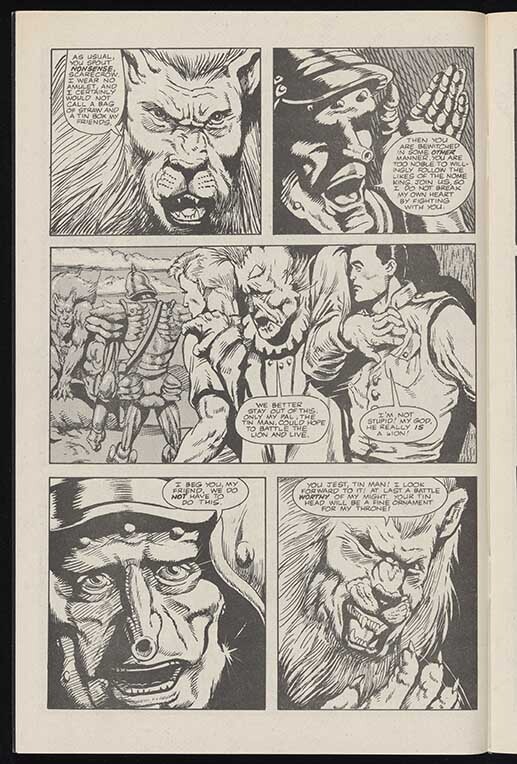
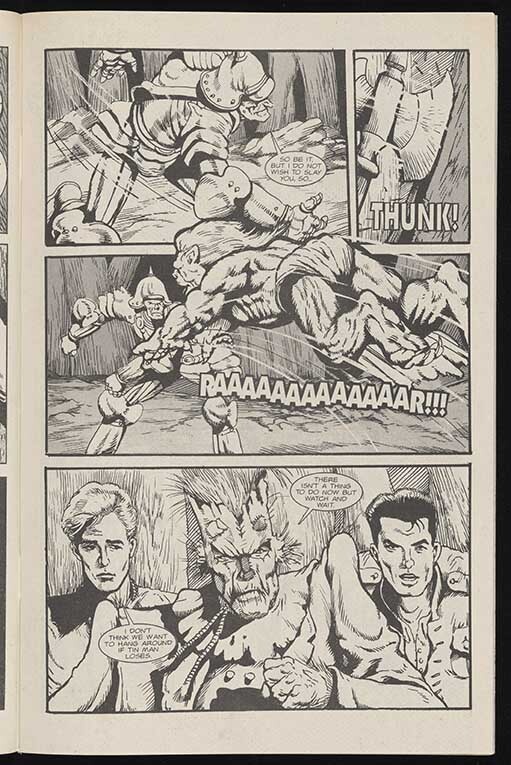
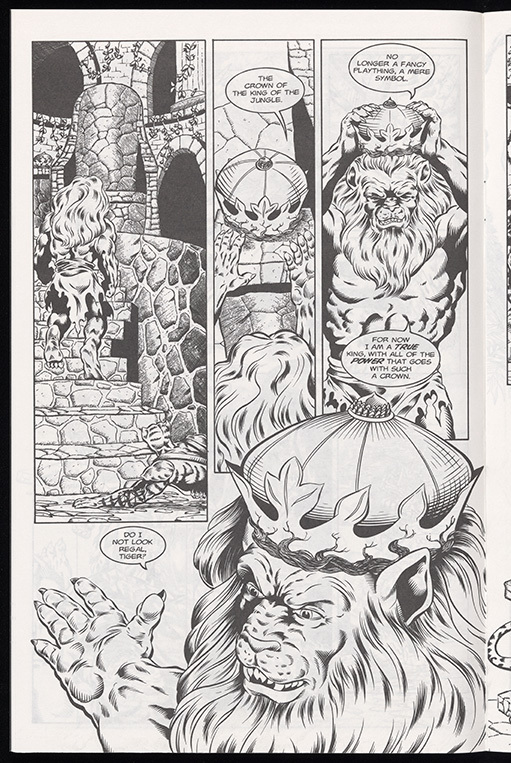
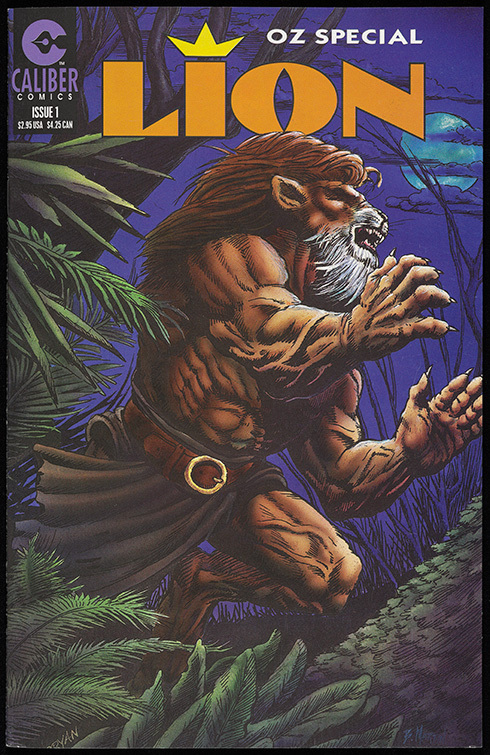
The OZ series is a fantasy revamp of the classic Wizard of Oz, including many of the original characters in a new light. The fight seen here was unique due to the way each character has adopted their innate traits. The Tin Man is made of metal, making him an extremely sturdy opponent. The Lion is defined by the classic “king of the jungle” archetype, which he lives up to both in power and personality.
The subversion of expectations in the original story shows the Lion as cowardly, but by the end he discovers his own bravery and becomes ruler over the beasts of the southern forest. This new version is a clever continuation of the prior events providing natural depth to an otherwise stereotypical lion role.