
The Stylistic Diversity of Maurice Sendak
Curated by Cleonique Hilsaca
Maurice Sendak is one of the most beloved and famed children’s book illustrators of the 20th Century. He illustrated more than 150 children’s books throughout his career, many of which he wrote himself. This exhibition explores the stylistic diversity of Sendak, which ranged from highly stylized figures in watercolor and limited line work, to fully resolved realistic ink drawings, and an approach existing somewhere in between. The work displayed was chosen as a diverse range of stylistic approaches to children’s picture book illustration by one of its most prolific creators in history. This exhibition features picture books from the Henrietta Hochschild Collection of Children’s Books.
The Hero's Journey
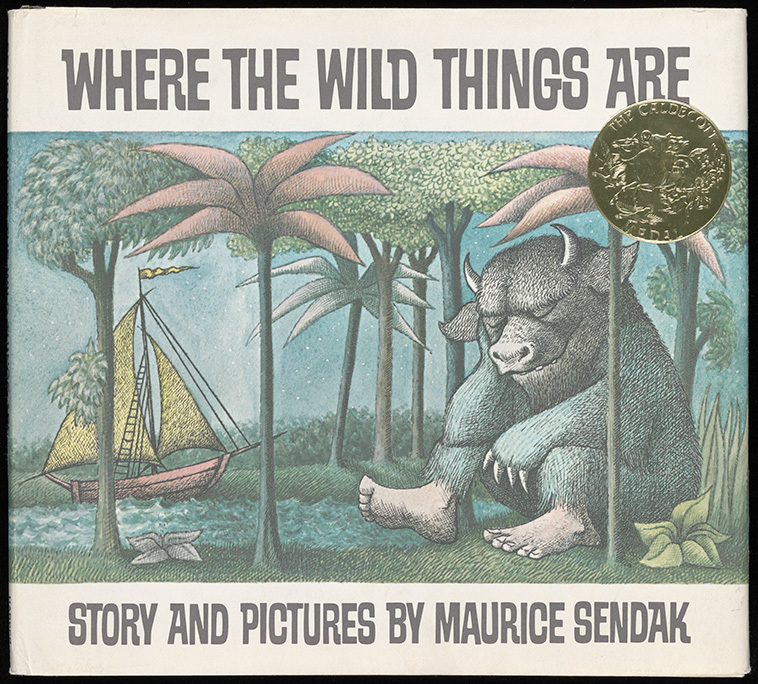
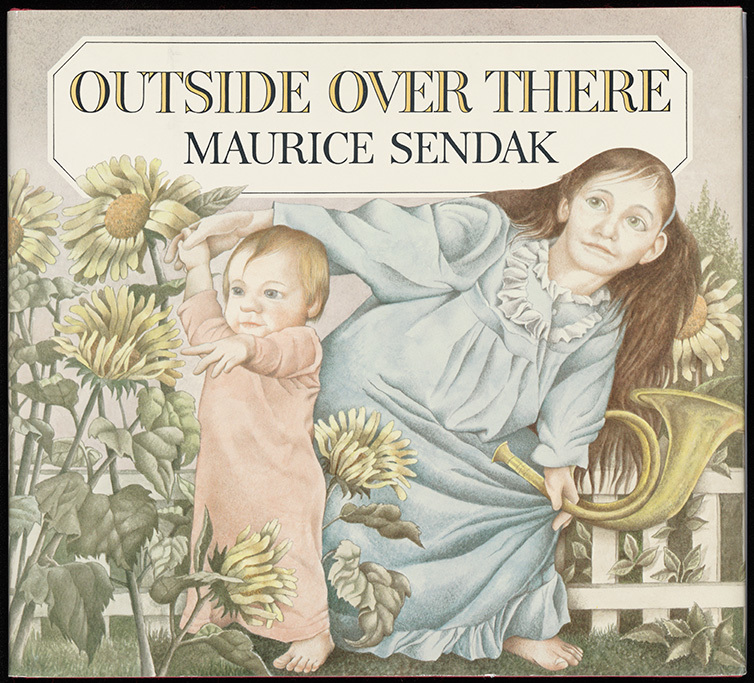
Written and illustrated by Maurice Sendak, In the Night Kitchen, Where the Wild Things Are and Outside Over There, are a series of books on different stages of development of children told through the monomyth of the hero’s journey.
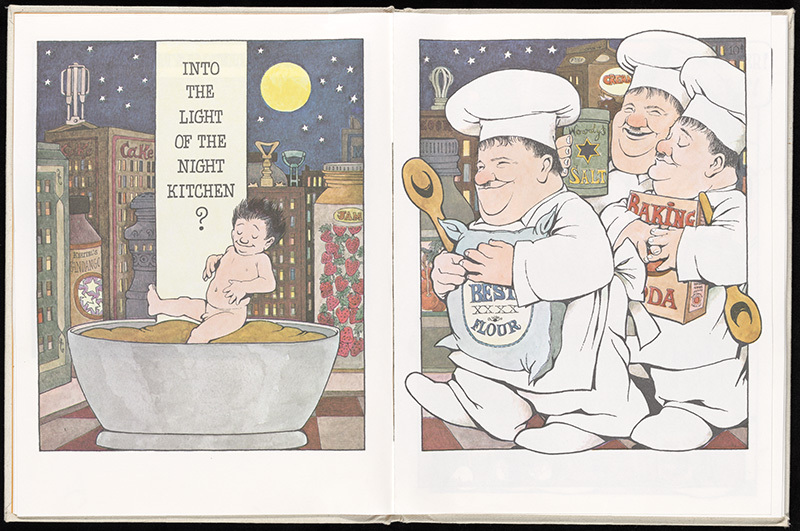
In the Night Kitchen, Harper & Row, 1970
In the Night Kitchen drew controversy in the United States due to its depictions of child nudity. This first edition is uncensored, unlike contemporary reprints of the book where a diaper was added to hide the child's nudity.
Ink Work
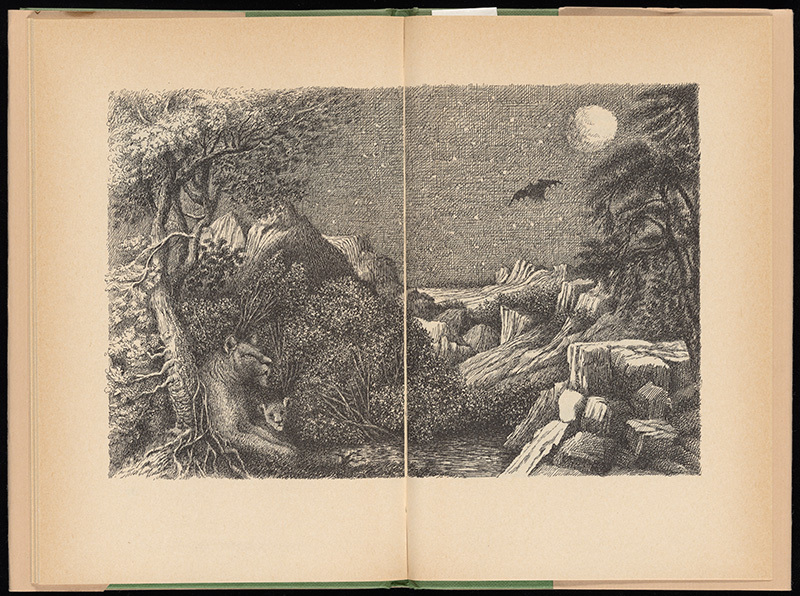
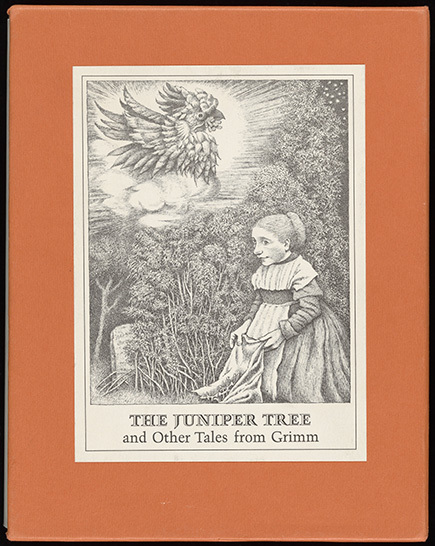
Maurice Sendak created illustrations mostly in the medium of ink and watercolor, but in The Bat-Poet and The Juniper Tree, his mastery of ink can be solely appreciated.
Influences
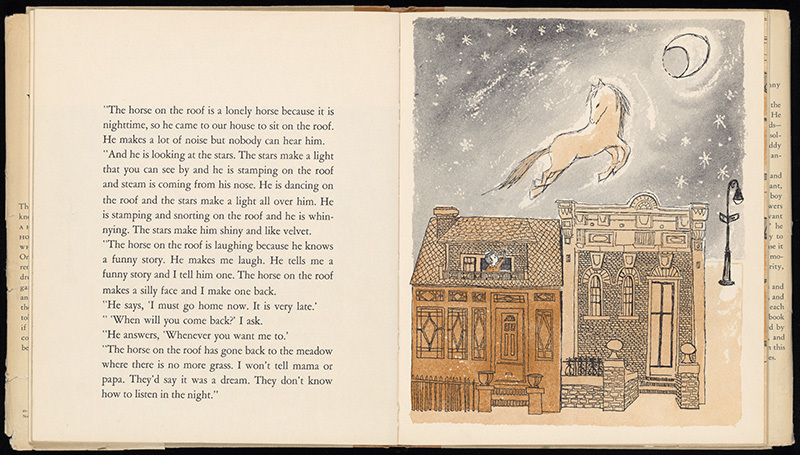
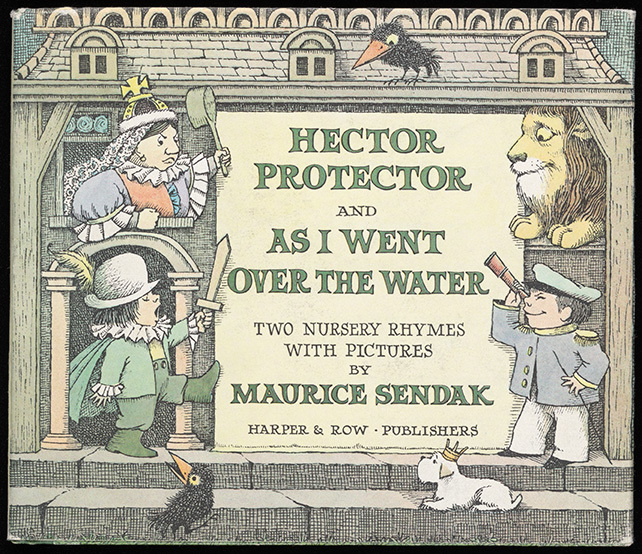
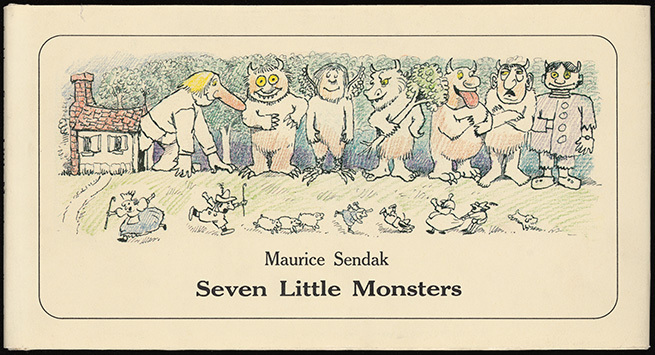
Sendak's work was influenced by music, animation, comics, fairy tales and children’s rhymes and poetry, as well as the work of other picture book illustrators such as William Blake, Beatrix Potter, Winsor McCay, Maxfield Parrish, Walt Disney and Randolph Caldecott, among many others. By learning from them, he developed and mastered his own craft.
Alternative Formats
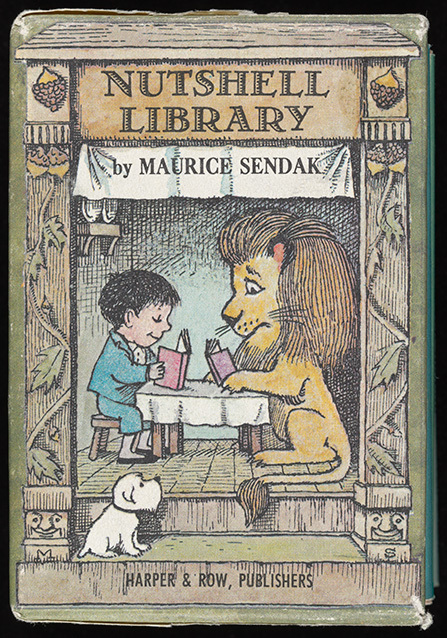
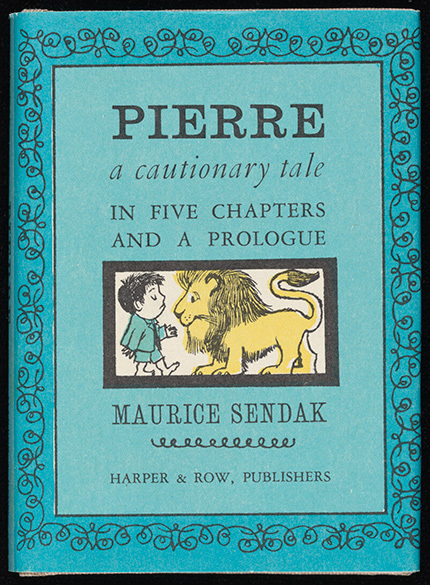
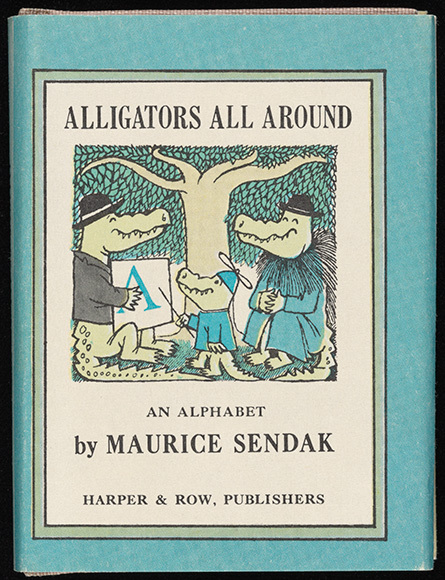
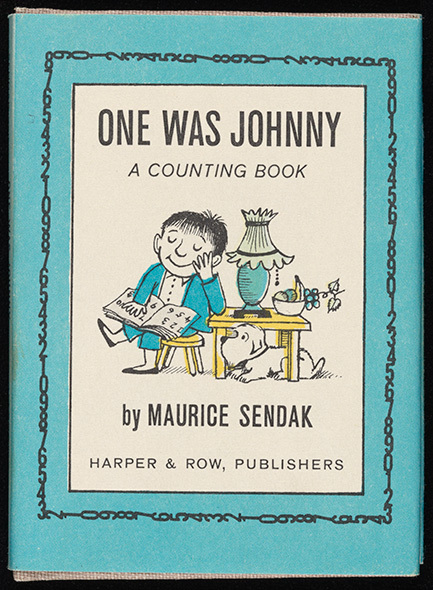
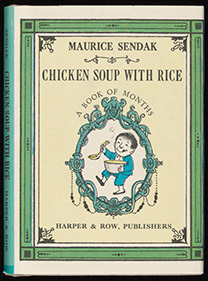
As part of his large catalog of picture books, Mommy? stands out as one of the only pop-up books that features Sendak’s work, and Nutshell Library, his only miniature library of books.
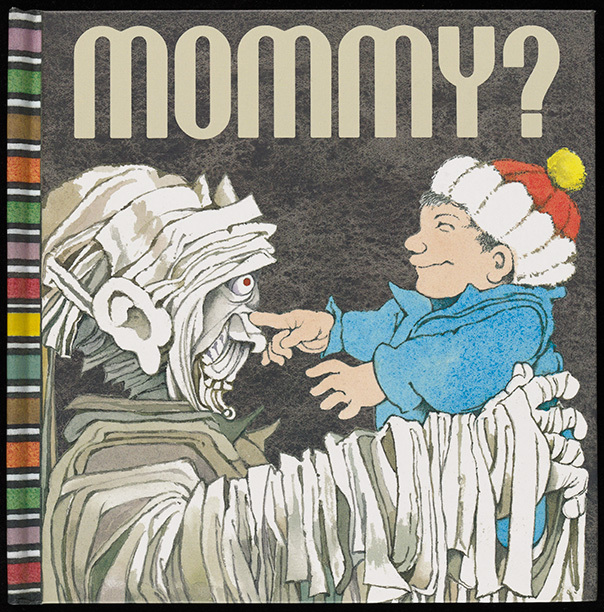
Mommy?, Scholastic, 2006
Sendak worked in a variety of media and stylistic voices throughout his career, proving that by focusing his creativity and skillset into bringing a story to life, instead of committing to a personal style, he was able to bring forth the best visual language to each picture book he illustrated.
That is the charm of Maurice Sendak’s work, which makes his books so memorable and cherished to this day, that every book and story was unique in its creation.