
The Red Rose Girls: Pioneers of the Female Gaze
curated by Manimanjari Sengupta
At the turn of the nineteenth century, when women still didn’t have the right to vote and were largely confined to the domestic sphere, Jessie Wilcox Smith, Elizabeth Shippen Green and Violet Oakley, also known as The Red Rose Girls, went against the tide. They were known for subverting all expected norms and became forces to be reckoned with in the illustration industry. Their way of seeing the world, which is apparent not only in the way they led their lives but also clearly represented in their works, provides valuable insight into the inner workings of feminine domestic spheres.
This exhibit focuses on their exemplary work and their unique model of living. It is an attempt to highlight the Red Rose Girls’ significant contribution to feminist visual culture.
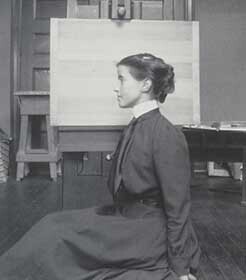
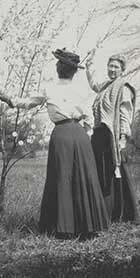
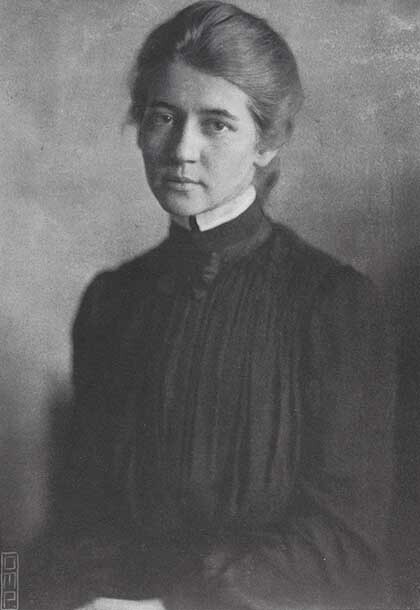
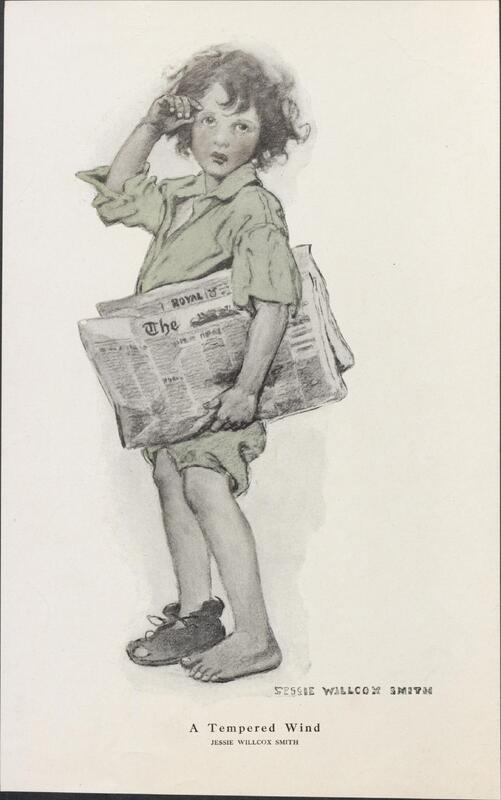
Jessie Wilcox Smith
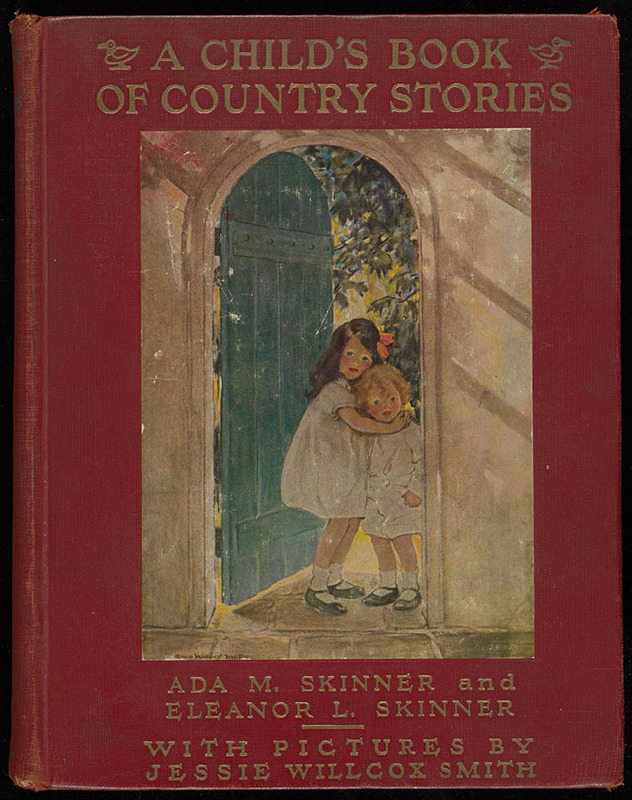
The oldest of the Red Rose Girls, Jessie Wilcox Smith’s joyous paintings commanded the American illustration landscape of the early 1900s. In her works she depicted the domestic world of women and children with undeniable dexterity and finesse. Her work regularly appeared in Ladies Home Journal, and she contributed several stories to Harper’s Weekly, Scribner’s and Harper’s Bazaar. She also illustrated several books, among them Johanna Spyri’s Heidi, Ada M Skinner and Eleanor L. Skinner’s A Child’s book of country stories and Frances Hodgson Burnett’s In the closed room.

Elizabeth Shippen Green
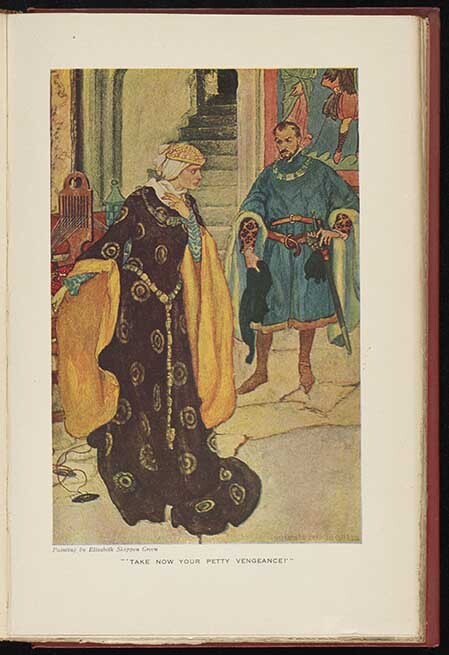
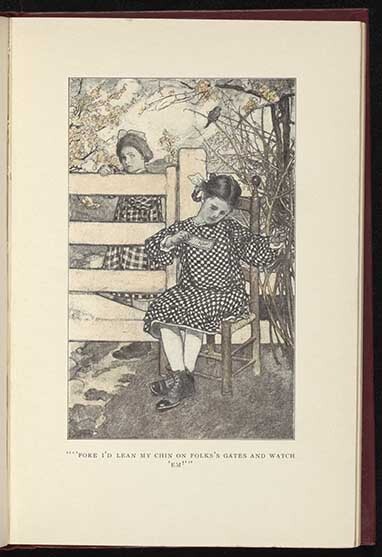
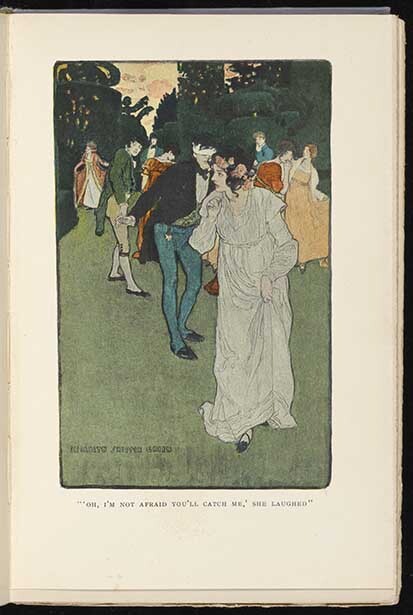
Like her companions and colleagues, Elizabeth Shippen Green’s illustrious career began with training at the Pennsylvania Academy of the Fine Arts. An exceptionally ambitious illustrator of her time, her works appeared alongside other contemporary illustration giants, including her teacher Howard Pyle. She drew covers for The Scholar’s Magazine, St Nicholas and others, and also contributed regularly to Ladies Home Journal and Saturday Evening Post.
Violet Oakley
At a time when women were relegated to domestic spaces and not considered culture makers, Oakley consistently made work that aligned with her politics and causes she believed in. Her interest in science and spirituality led her to pursue a career not only as a way to earn a living, but as a way to elevate human spirit’. In addition to her illustration work, she was also an author, and became the first woman to receive a public mural commission (for the governor's reception room in the new Pennsylvania State Capitol Building). She was also a prolific stained glass artist.
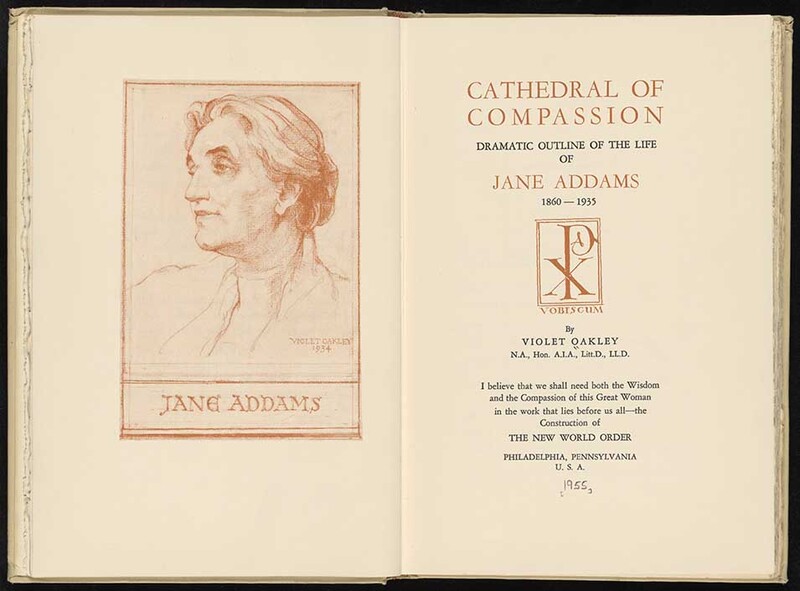
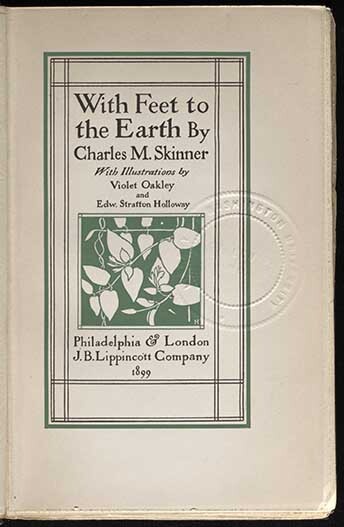
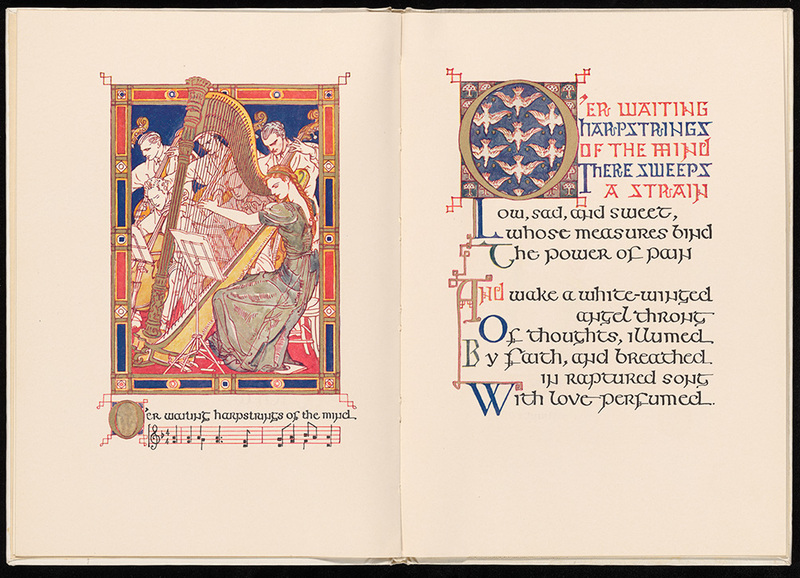
The Red Rose Inn
The works of Jessie Wilcox Smith, Elizabeth Shippen Green and Violet Oakley significantly contributed to the way domestic life was perceived at the turn of the 20th century. They are also a reflection of their personal politics — finding fulfilment in female companionship and meaningful work. They managed to carve out a space for themselves away from patriarchal family structures, and created an existence rooted in mutual care and nourishment. The Red Rose Girls tended to their art practice, their relationships and themselves like flowers in a garden.
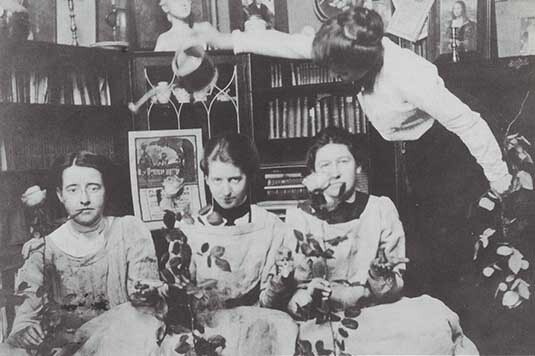
Portrait of the Red Rose Girls, ca.1900